Factory Direct Featured Products
Explore our benchmark production line engineered for global distributors, wholesalers, and retail guitar brands. Low MOQ custom production available.

Industrial Competence & Facility Infrastructure
Operating from Qiuchang, Huiyang District, Huizhou City—the premier instrument manufacturing hub of South China—Huizhou NFGF Musical Instrument Co., Ltd. delivers institutional-grade supply chain security.
Solid Body Electric Guitar Technical Architecture & Sourcing Engineering
In the contemporary B2B musical instrument marketplace, global brand owners, importers, and e-commerce chain operators face a dual imperative: maintaining uncompromising acoustic and structural integrity while optimizing unit economics and supply chain predictability. As China's leading solid body guitar manufacturer and exporter, Huizhou NFGF Musical Instrument Co., Ltd. presents this comprehensive industrial benchmark white paper detailing the material science, manufacturing physics, and procurement strategies that define world-class electric guitar production.
Executive Insight for Procurement Directors: The sound, sustain, and retail return rates of solid body electric guitars are governed primarily by three variables: tonewood moisture equilibrium (8%–12%), neck-pocket micro-tolerances (<0.02mm), and structural shielding against electromagnetic interference (EMI). Partnering with a manufacturer offering automated CNC milling and vacuum kiln drying drastically mitigates post-shipment neck warping and fret sprout.
1. Advanced Tonewood Metallurgy and Material Science
Unlike hollow acoustic instruments where air volume resonance predominates, solid body electric guitars rely heavily on the mechanical impedance and density of their body and neck woods to dictate vibrational decay, fundamental overtone retention, and string attack response. Our production architecture utilizes strictly graded, kiln-dried tonewoods:
| Tonewood Species | Average Density (kg/m³) | Acoustic Profile & Tonal Character | Primary Industrial Application |
|---|---|---|---|
| Selected African Mahogany | 540 - 650 | Warm, rich low-end resonance with accentuated lower-midrange response; smooth sustain. | LP Style, Modern Heavy Rock & Custom Archtop Solid Bodies |
| Seasoned American Basswood | 400 - 480 | Exceptional neutral balance, tight bass response, smooth fundamental tones ideal for high-gain processing. | ST Style, Shred Modern Shapes, Beginner to Professional Guitars |
| Carbonized / Roasted Maple | 600 - 700 | Thermal treatment removes residual resin, offering hyper-stability, snappy attack, and moisture immunity. | High-End Neck Shafts, Fingerboards, Headless Guitars |
| Burl & Flame Veneers / Acrylic | Varied / 1180 | Visual elegance combined with crisp upper-frequency bite; acrylic bodies offer unique sustain and aesthetics. | Bespoke OEM Showcase Models, Boutique Custom Collections |
To eliminate post-export neck distortion caused by transatlantic atmospheric variations, all raw timber stock undergoes a specialized 45-day vacuum kiln seasoning process. Moisture content is continuously monitored via digital resistance sensors until stabilized at a strict target of 8% to 10% for necks and 10% to 12% for body blanks.
2. Mechanical Tolerances and Electro-Acoustic Hardware Integration
The neck joint remains the most critical structural junction in any solid body electric guitar. Whether utilizing a traditional bolt-on (ST/TL style) configuration with stainless steel neck plates or an ergonomic set-neck / neck-through architecture, structural tolerance determines tonal energy transfer efficiency. Our 5-axis automated CNC routing routers execute body cavities with absolute geometric accuracy, ensuring zero micro-gaps between the neck heel and body pocket.
In electronics engineering, high-efficiency pickguards and humbucking / single-coil configurations (SSS, HSS, HSH) are matched with copper-foil shielded cavities or conductive graphite paint coatings. This shielding protocol achieves a noise reduction floor exceeding -75dB, eliminating 50Hz/60Hz line hum during live performance and studio recording.
Future Sourcing & Global Market Procurement Trends (2025–2030)
As retail consumer preferences evolve toward ergonomic playability, portable multi-functional practice rigs, and modern aesthetics, the global guitar procurement landscape is undergoing four systemic shifts:
Trend A: Exponential Growth of Headless & Ergonomic Modern Architectures
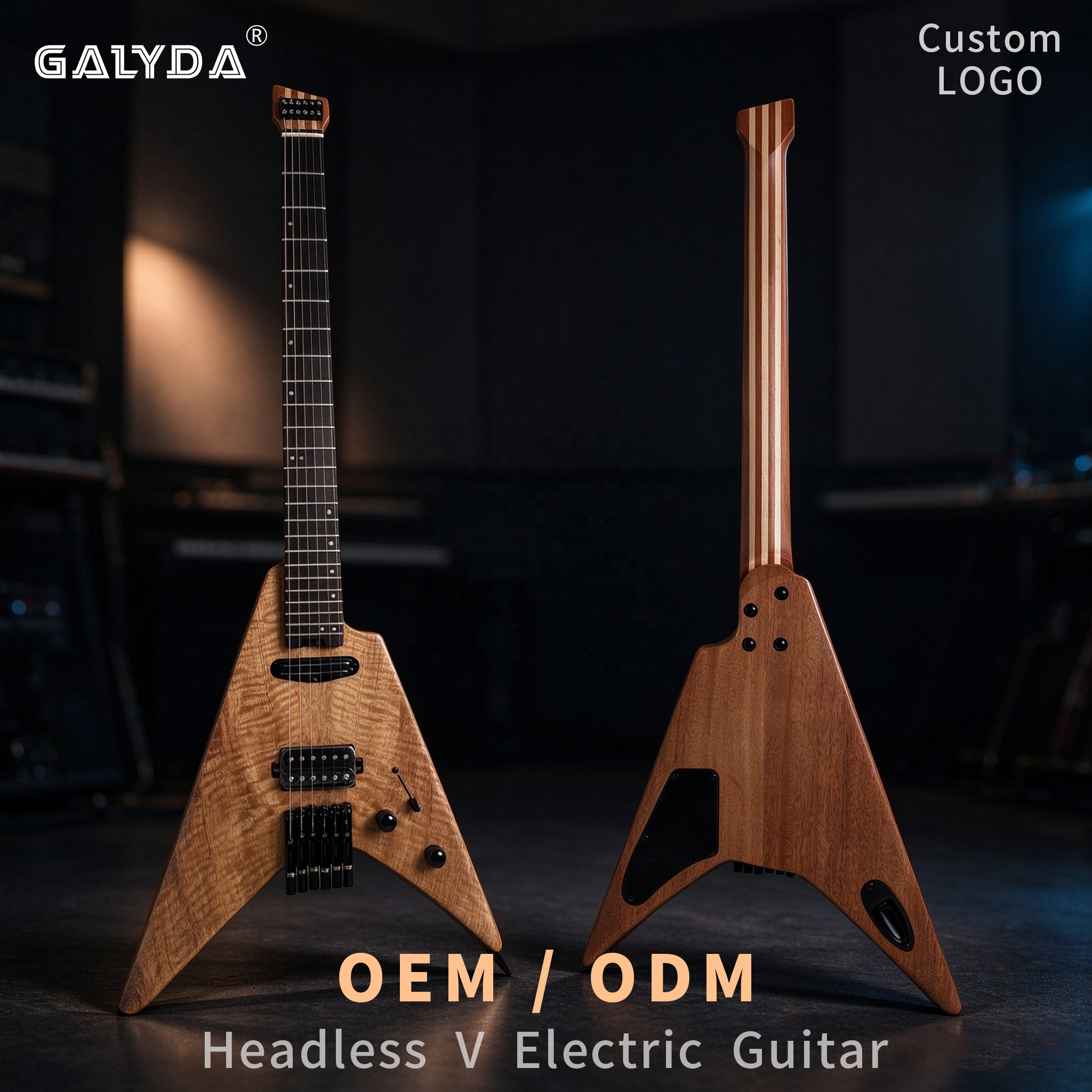
Headless electric guitars—exemplified by our V-Shape and Carbonized Maple series—have transitioned from niche boutique instruments into mainstream commercial staples. By removing the traditional headstock, overall instrument weight is reduced by 20%–30%, eliminating neck-dive and balancing center-of-gravity near the player's torso. Furthermore, the compact form factor reduces master shipping carton volume by over 25%, resulting in substantial freight savings per container shipment.
Trend B: Wireless Audio Protocol & Smart Preamp Integration
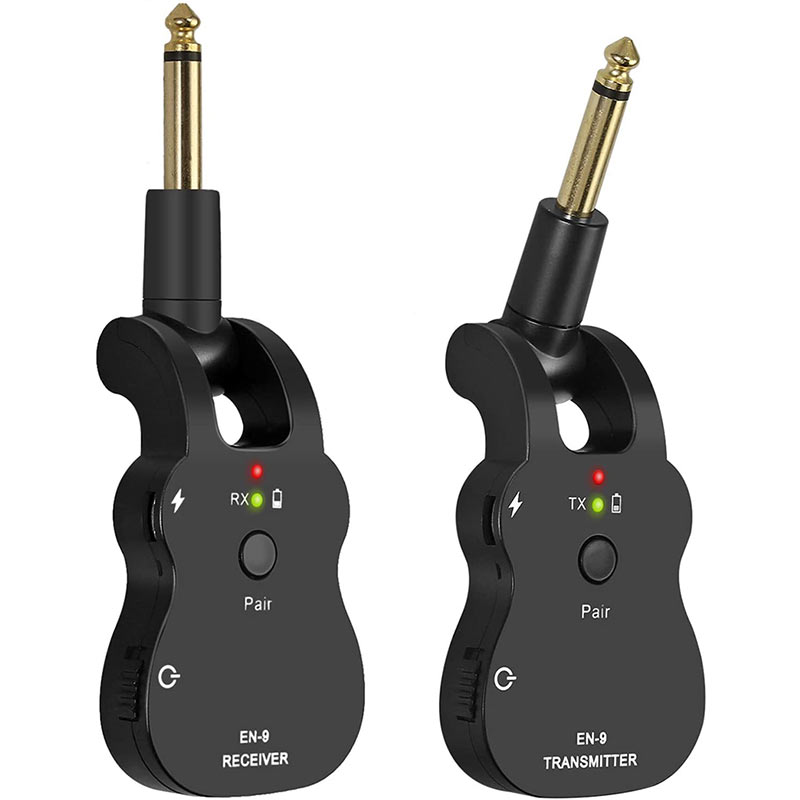
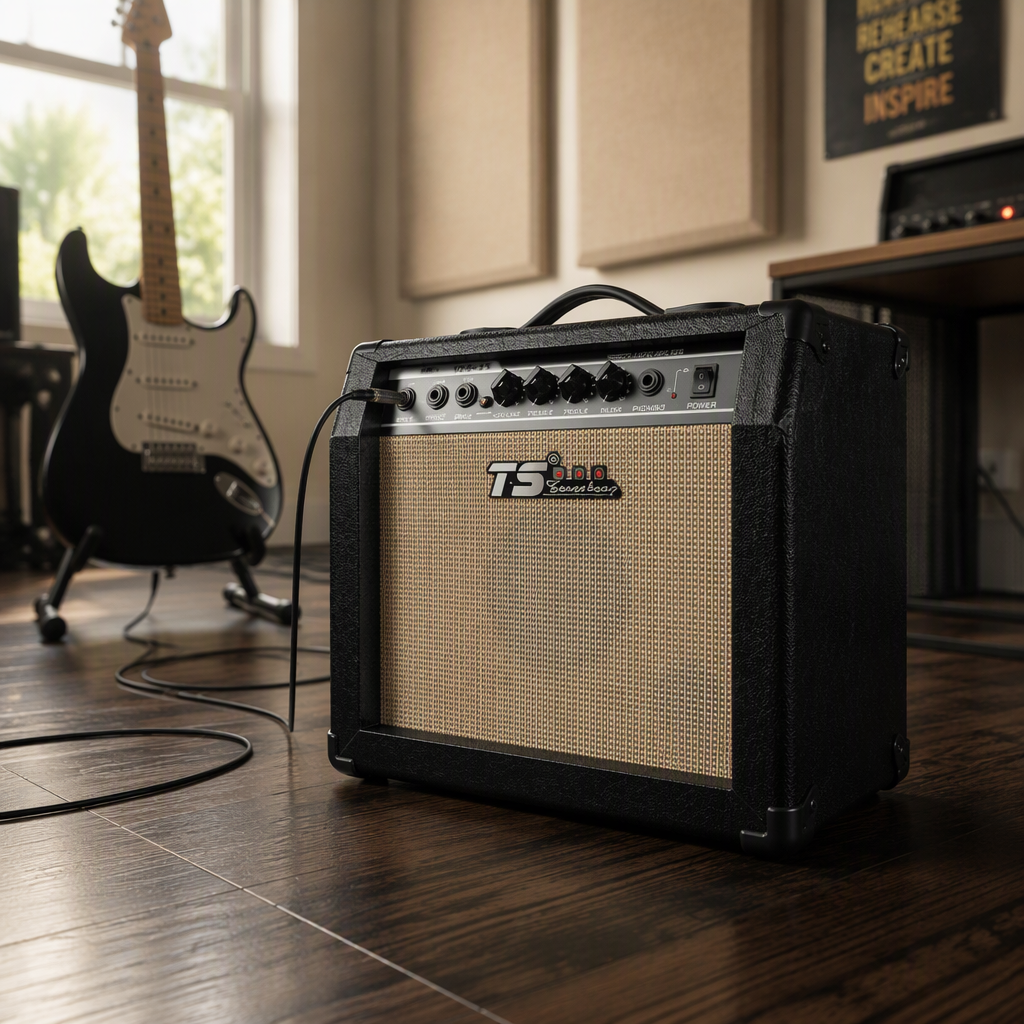
Modern players increasingly demand clutter-free performance setups. The integration of 2.4GHz and 5.8GHz digital wireless audio transmitters directly into the guitar output signal chain—paired with rechargeable lithium-ion powered mini desktop amplifiers—is rapidly becoming an essential SKU bundle for OEM importers looking to boost average order value (AOV).
Trend C: Sustainable Tonewood Compliance & CITES-Exempt Materials
With international trade regulations under CITES restricting traditional Rosewood (Dalbergia) species, forward-thinking manufacturers must offer fully compliant, sustainable fingerboard alternatives. NFGF utilizes thermally modified maple, high-density laurel wood, and engineered synthetic rosewood composites that offer superior hardness, uniform grain visual appeal, and frictionless international customs clearance.
Trend D: Low-MOQ Hybrid Manufacturing for D2C E-Commerce Brands
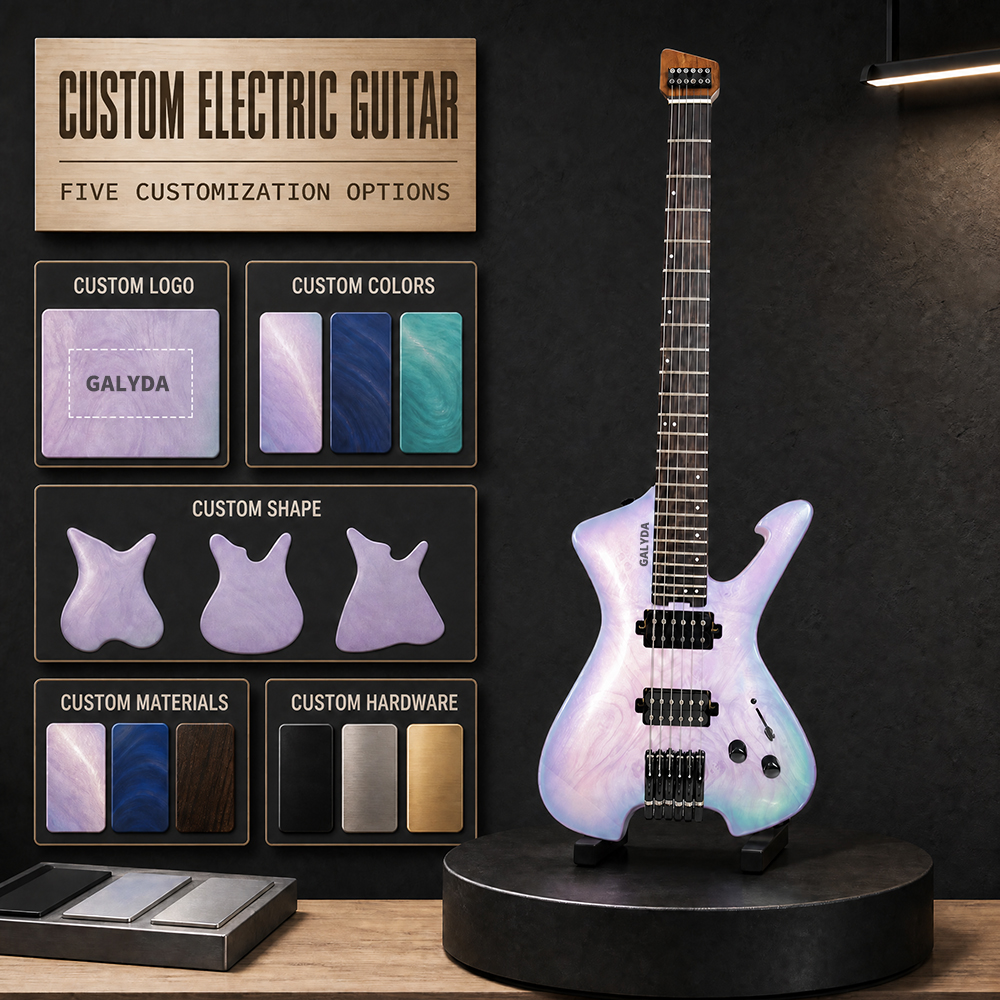
The rise of digital-native guitar brands has reshaped traditional factory minimums. By establishing standardized body blank and neck profile inventories, NFGF supports private-label clients with ultra-flexible MOQs (starting at 1 piece for standard models and 10–50 pieces for fully customized logo runs), dramatically accelerating time-to-market and lowering inventory holding risk.
Frequently Asked Questions for Importers & Brand Owners
Clear, authoritative answers to the primary technical and commercial inquiries submitted by international guitar buyers.
Partner with China's Premier Solid Body Guitar Factory
Request factory-direct wholesale price lists, technical specifications, or custom prototype development options today. Our engineering team responds within 12 business hours.