Direct Factory Catalog
Featured Wholesale Solid Wood Guitars & Accessories
Explore our top-rated stringed instruments and audio systems engineered for global distributors, retail brands, and OEM/ODM private labeling.

GALYDA Electric Guitar GM Style SS Pickup Tremolo Bridge 3 Way Toggle Switch Custom Logo OEM ODM Factory
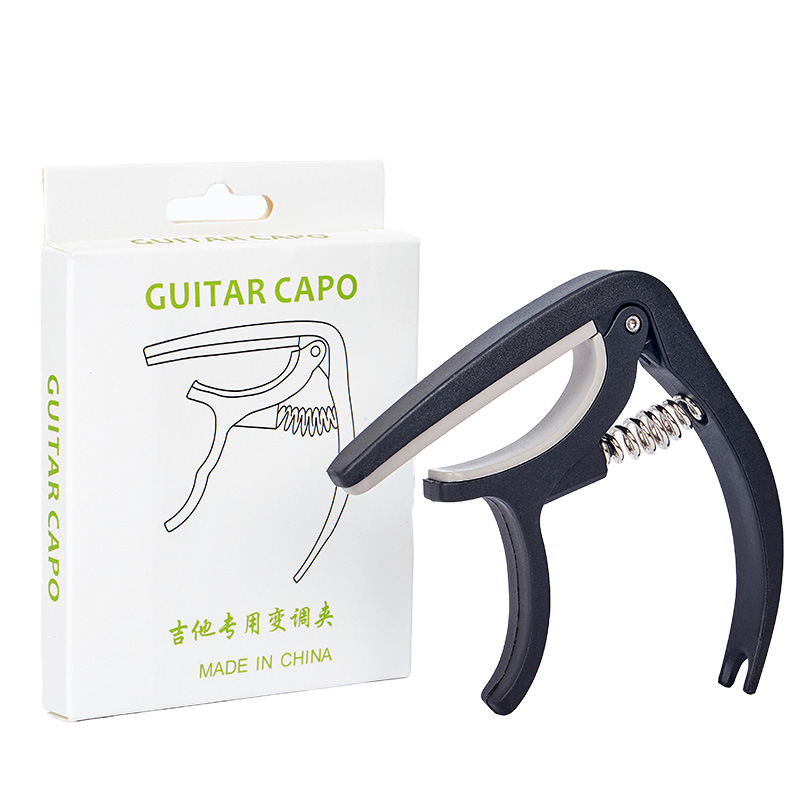
Wholesale Stringed Instrument Guitar Accessories Black Plastic Ukulele Tuner Clip Guitar CAPO
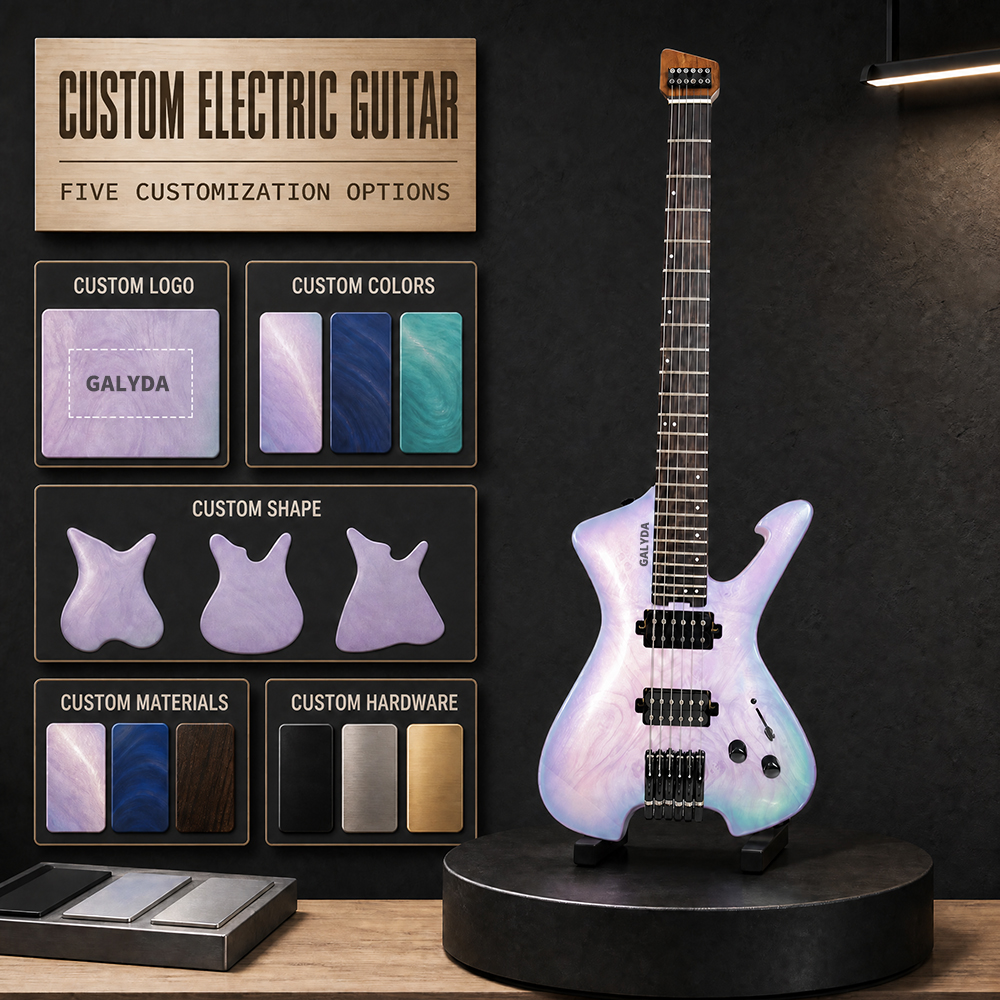
Factory Custom Headless 6 String Electric Guitar Carbonized Maple Neck Burl Veneer Top Mahogany Body

Professional In-ear Monitor IEM HiFi Wired Earphones with Microphone Studio Monitor Musical Instrument Accessories
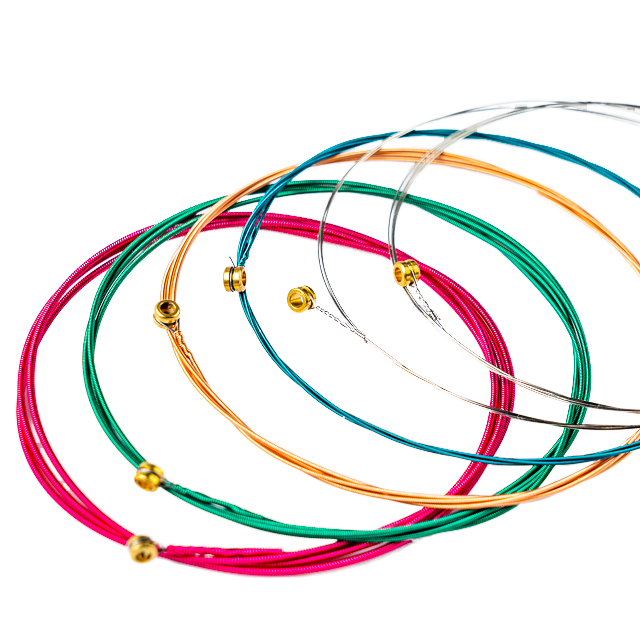
Set of Colorful 6-String Electric Guitar Acoustic Guitar Strings Steel Tone 1048 Series
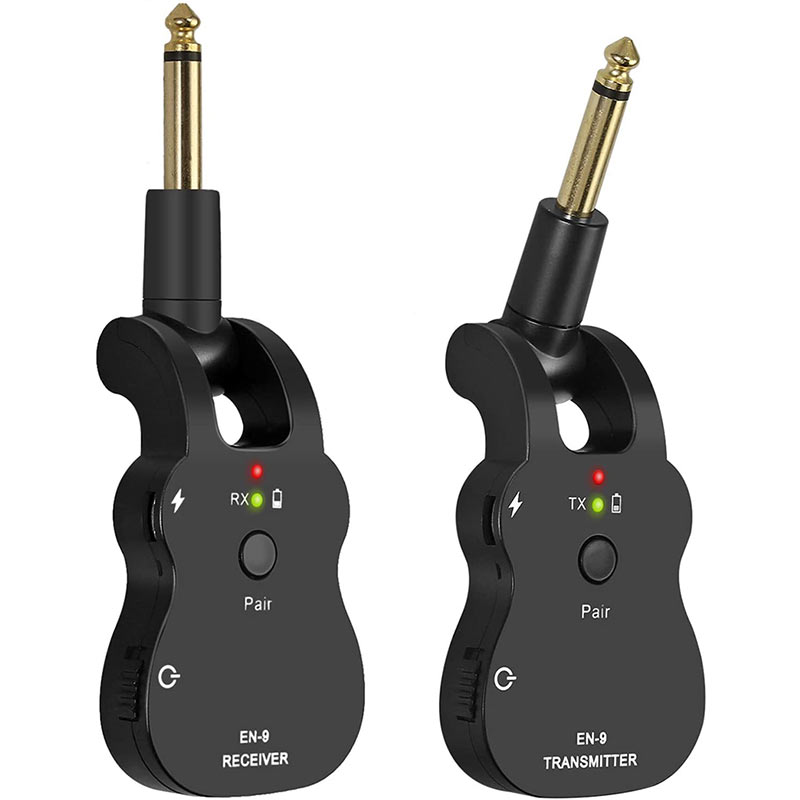
High Quality Wholesale Custom Cheap Digital Guitar Bass Audio Transmitter and Receiver Wireless Guitar System
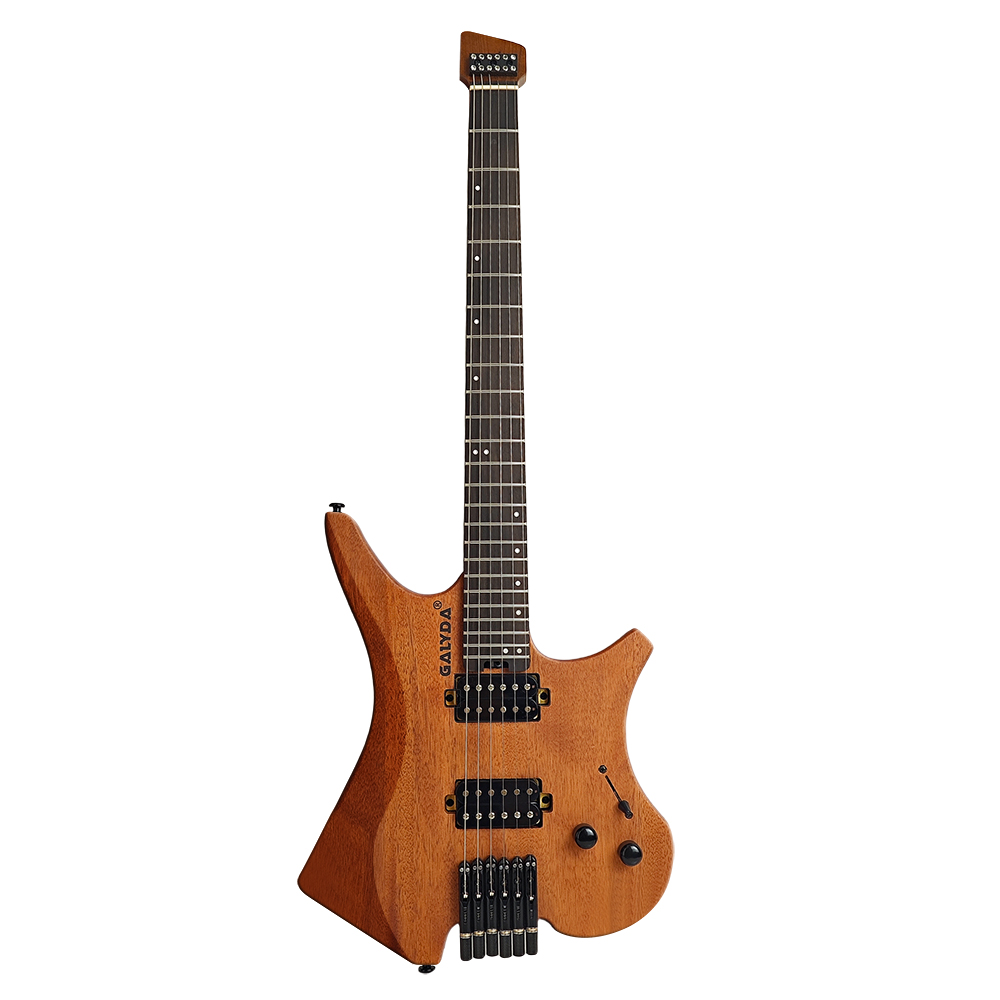
Wholesale G990 Headless Electric Guitar Kit Cool Instruments Factory Customizable Headless Electric Guitar
Executive Summary
The State of Chinese Solid Wood Guitar Manufacturing
In the global musical instrument sector, China solid wood guitar manufacturers account for over 60% of world stringed instrument production. Situated in Qiuchang, Huiyang District, Huizhou—the heart of Guangdong's renowned luthiery cluster—Huizhou NFGF Musical Instrument Co., Ltd. stands as an industry benchmark. Operating an audited 5,100 m² modernized manufacturing plant, NFGF combines automated high-precision CNC routers, computerized drying kilns, and hand-finished master craftsman assembly.
This whitepaper examines the technical specifications, timber drying procedures, acoustic engineering principles, and global supply chain strategies that empower international guitar brands, wholesalers, and retail chains to maximize profit margins and reduce defect returns to under 0.3%.
5,100 m²
SGS Audited Facility
Est. 2014
10+ Yrs Export Lutherie
100+
Patents & IP Designs
Low MOQ
Flexible OEM/ODM Runs
1. Material Engineering: Solid Tonewood Processing & Moisture Equilibrium
The fundamental determinant of a guitar’s resonance, sustain, structural integrity, and longevity is timber management. Unlike laminated instruments made from glued wood veneers, a true solid wood guitar relies on organic wood grain dynamics that react directly to ambient humidity and atmospheric pressure.
Equilibrium Moisture Content (EMC) Control
Unprocessed lumber typically carries a moisture content exceeding 30% to 50%. Importing guitars made from insufficiently seasoned timber into temperate regions (such as North America, Northern Europe, or Australia) causes severe fret sprout, neck warping, soundboard cracking, and finish delamination. Huizhou NFGF enforces a rigorous 3-stage timber seasoning process:
- Natural Air Seasoning: Raw logs (Mahogany, Solid Sitka Spruce, Roasted Maple, Rosewood, Basswood) are stacked in open-air shade sheds for 6 to 12 months to alleviate growth stresses.
- Dehumidification Kiln Drying: Timber is transferred into automated computerized kilns where humidity and temperature are gradually dropped over 21 days, achieving a target moisture level of 8% to 10%.
- Environmental Conditioning Chamber: Prior to CNC carving, tonewood blanks rest in humidity-controlled workshops held precisely at 45%–55% RH and 22°C for 14 days. This guarantees zero dimensional shifting during carving.
Torrefaction & Carbonized Maple Innovations
A major development in high-end guitar manufacturing is Torrefaction (Thermal Modification). As highlighted in our flagship custom models—such as the Factory Custom Headless 6-String Electric Guitar with Carbonized Maple Neck—tonewood is baked in an oxygen-deprived chamber at temperatures between 180°C and 220°C.
This process breaks down volatile hemicellulose compounds within the wood cell walls, yielding several key B2B performance benefits:
- Immunity to Climate Humidity: Carbonized necks exhibit near-zero hygroscopic expansion, virtually eliminating neck movement and action shifts during international transit.
- Vintage Acoustic Resonance: Thermally modified wood replicates the crystallization of resins found in 50-year-old vintage instruments, enhancing fundamental harmonic clarity and projection.
- Weight Reduction: Reduced internal moisture mass reduces overall instrument weight by 8% to 12%, significantly improving playing comfort.
2. Technical Innovations & Development Trends in Solid Wood Guitars
The global guitar market is undergoing a structural paradigm shift driven by modern ergonomics, digital hybrid audio integration, and refined aesthetics. Global buyers who capitalize on these four technological trends gain a distinct competitive edge in retail and e-commerce channels:
Ergonomic Headless Design
Headless electric guitars eliminate traditional pegheads, relocating tuning bridges to the body base. This improves balance, reduces total length by 20%, and removes neck-dive fatigue during long stage performances.
Hybrid Pickup Switching
Modern players demand tonal versatility. Our solid wood electrics incorporate HSS/HSH coil-splitting wiring and 5-way selector switches, transitioning seamlessly from vintage single-coil glassiness to high-output humbucking crunch.
Exotic Burl Veneers & Acrylic Hybrids
Combining bookmatched poplar burl veneers, flamed maple tops, or transparent acrylic bodies with solid maple/mahogany cores creates striking visual appeal that drives high conversion rates on digital retail channels.
Acoustic Bracing & Solid Top Construction
For acoustic and classical instruments, top soundboard acoustics dictate projection volume and dynamic range. NFGF utilizes CNC-milled Scalloped X-Bracing patterns for solid Sitka spruce and Mahogany tops. By reducing bracing mass at non-structural perimeter points while preserving structural strength at the bridge zone, the soundboard vibrates with greater acoustic efficiency and sustain.
Strategic Analysis
Direct OEM Factory Sourcing vs. Trading Houses
Understand the operational and financial differences when procuring custom solid wood guitars from an audited direct manufacturer versus intermediary trading brokers.
| Evaluation Metric | NFGF Direct Factory (Huizhou) | Traditional Export Trading Company | B2B Advantage |
|---|---|---|---|
| Timber EMC & Drying Control | In-house 21-day kiln drying & conditioning room (8-10% EMC) | Outsourced to varied regional workshops; unverified EMC | Prevents neck warping & body cracking claims |
| Customization Depth (OEM/ODM) | Full CAD/CAM 3D neck profiling, body shapes, custom wiring & pickups | Limited to stock catalog logo printing & basic packaging | Build proprietary, trademarked guitar designs |
| Quality Control Protocol | 100% 4-stage inspection (Incoming, Post-CNC, Post-Paint, Final Setup) | Random spot check (1-5%) before loading | Defect rate reduced to under 0.3% |
| Minimum Order Quantity (MOQ) | Low MOQ: Sample runs from 1 piece; batch runs from 10–50 pieces | High MOQ requirements (usually 100+ identical units) | Optimized cash flow & rapid market testing |
| Third-Party Verification | On-site audited by SGS Group; CE & FCC certified electronics | Self-declared paperwork without factory facility audits | Seamless international customs clearance |
3. Global Guitar Sourcing Trends & Supply Chain Forecasting
As international supply chains shift toward agility, transparency, and sustainable compliance, musical instrument importers must adapt their purchasing strategies. Industry data highlights four macro procurement trends shaping the industry:
A. Sustainable & CITES-Compliant Tonewood Sourcing
With strict international regulations under CITES (Convention on International Trade in Endangered Species) regarding Rosewood (Dalbergia) and Mahogany species, importers face potential customs seizures if paperwork is incomplete. Leading Chinese manufacturers now offer CITES-free alternative tonewoods, such as Carbonized Laurel, Roasted Maple, Engineered Rosewood, and High-Density Black Ebony Composite fingerboards. These alternatives deliver equal structural hardness without trade restriction hassles.
B. Micro-Batch Ordering & Direct-to-Consumer SKU Agility
Rather than locking up working capital in massive 1,000-unit warehouse inventories of a single color, progressive retailers are adopting agile micro-batch sourcing. By partnering with direct OEM factories capable of low MOQ sampling (starting from 1 to 10 pieces), brands can launch multi-color variants, headless experimentations, or limited-edition artist signature series with minimal risk.
C. Integrated Wireless & Studio Ecosystem Bundles
Modern consumers expect plug-and-play ecosystems. Sourcing packages that combine solid wood guitars with 2.4GHz digital wireless audio transmitters, clip-on high-precision tuners, studio in-ear monitors (IEMs), and true-bypass effects pedals drives up average order value (AOV) and customer retention.
Enterprise Strengths
Why Global Brands Partner with Huizhou NFGF
End-to-end manufacturing infrastructure, strict quality control standards, and dedicated international trade support.
SGS Audited & ISO Standards
Our 5,100 m² factory undergoes regular on-site audits by SGS Group. Every stage—from raw material storage to assembly lines—meets strict international industrial standards.
Precision CNC Lutherie
Multi-axis automated CNC carving centers ensure exact neck pocket fits, fretboard radius consistency, truss rod slot depth, and pickup cavity dimensions down to ±0.05mm tolerances.
4-Stage Rigorous QC
Every single instrument undergoes incoming wood inspection, post-sanding body inspection, post-finishing buffing inspection, and final luthier playability set up before boxing.
Sourcing Intelligence
Frequently Asked Questions for Guitar Importers
Get definitive answers to key purchasing, engineering, lead time, and compliance inquiries.
What is the minimum order quantity (MOQ) for custom OEM solid wood guitars? +
We offer flexible low-MOQ sourcing tiers. For standard sample evaluations, orders start from just 1 piece. For custom private-label logo branding on existing body shapes, MOQ is typically 10 to 30 pieces per run. Fully custom ODM models requiring unique body molding and custom CNC tooling start at 50 to 100 pieces.
How does NFGF prevent guitar neck warping and fret sprout in cold or dry climates? +
All tonewoods undergo a mandatory 21-day computerized kiln drying process followed by a 14-day environmental conditioning phase to stabilize timber Equilibrium Moisture Content (EMC) at 8%–10%. Furthermore, our roasted and carbonized maple options offer exceptional structural stability against temperature and humidity swings.
Can you customize guitar hardware, pickup electronics, and headstock logos? +
Yes, comprehensive custom OEM/ODM services are our core specialization. You can specify body tonewoods (Mahogany, Basswood, Alder, Ash, Acrylic), neck profiles (Modern C, Thin U), pickup configurations (SSS, HSS, HSH, active humbuckers), tremolo vs. fixed bridges, hardware colors (Chrome, Satin Black, Gold), and logo applications (Laser engraving, water decal, mother-of-pearl inlay, or silk-screen print).
Is your manufacturing facility independently audited and verified? +
Yes. Huizhou NFGF Musical Instrument Co., Ltd. is an SGS-verified custom manufacturer. Our facility, machinery, timber drying rooms, quality management systems, and working conditions undergo regular on-site inspections. Complete audit report certificates are available upon request for brand compliance files.
What are the lead times for sample production and bulk container shipments? +
Standard sample prototyping takes approximately 10 to 20 business days depending on finish complexity. Bulk production lead times generally range between 30 and 45 days upon artwork approval and deposit confirmation. Expedited production slots are available for recurring contract clients.
How are solid wood guitars packaged for safe ocean and air freight shipment? +
Every instrument is wrapped in protective EPE foam lining, placed in a 5-ply reinforced inner carton, and bundled into a heavy-duty 7-ply export outer carton. Optional custom-fit padded gig bags, hard-shell ABS cases, or wooden flight cases can be integrated into the packaging specification for turnkey retail distribution.
Partner with China's Premier Solid Wood Guitar Manufacturer
Whether you require a trial order sample, custom OEM branding, or full container wholesale pricing, our team of engineers and lutherie specialists is ready to assist you.