Featured OEM & ODM Instrument Solutions
Explore our export-grade semi-acoustic, electric, travel guitars, and pro-audio accessories engineered for global brand partners.
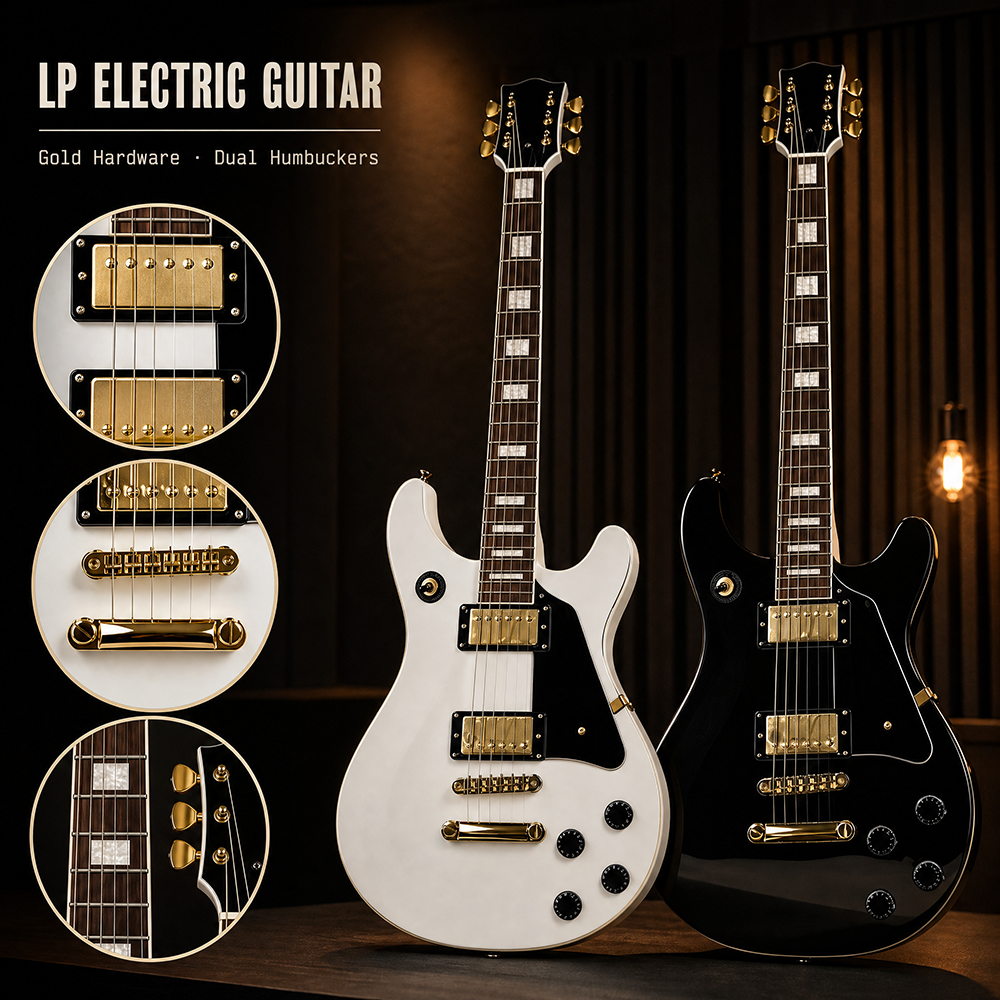
Factory Custom LP Electric Guitar Gloss Finish Solid Wood Electric Guitar OEM ODM
View Product Details
AG Headless Electric Guitar With Maple Neck Acrylic Body and Small Double-wire Tremolo Bridge
View Product Details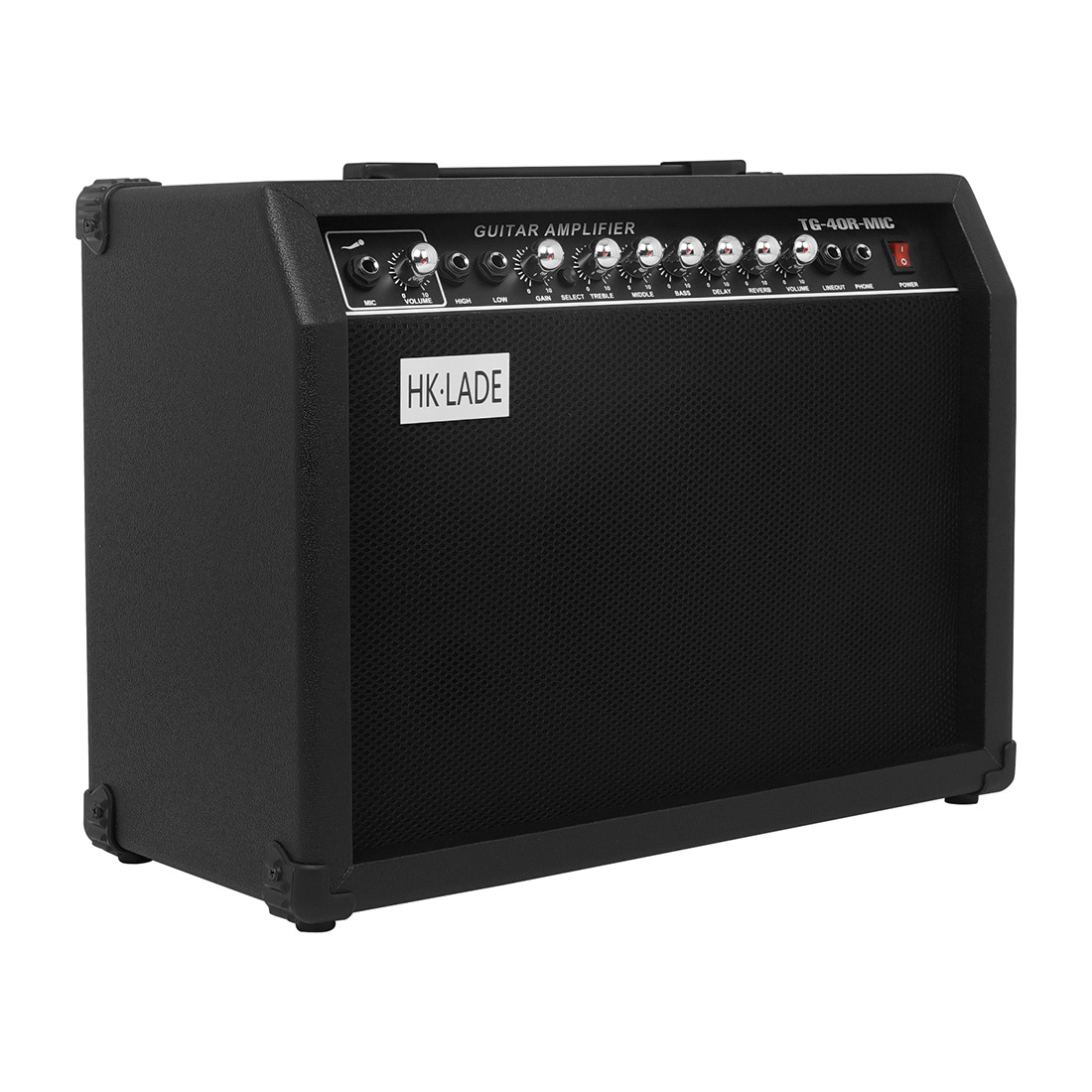
Portable Electric Guitar Bass Amplifier 40W Outdoor Performance Speaker
View Product Details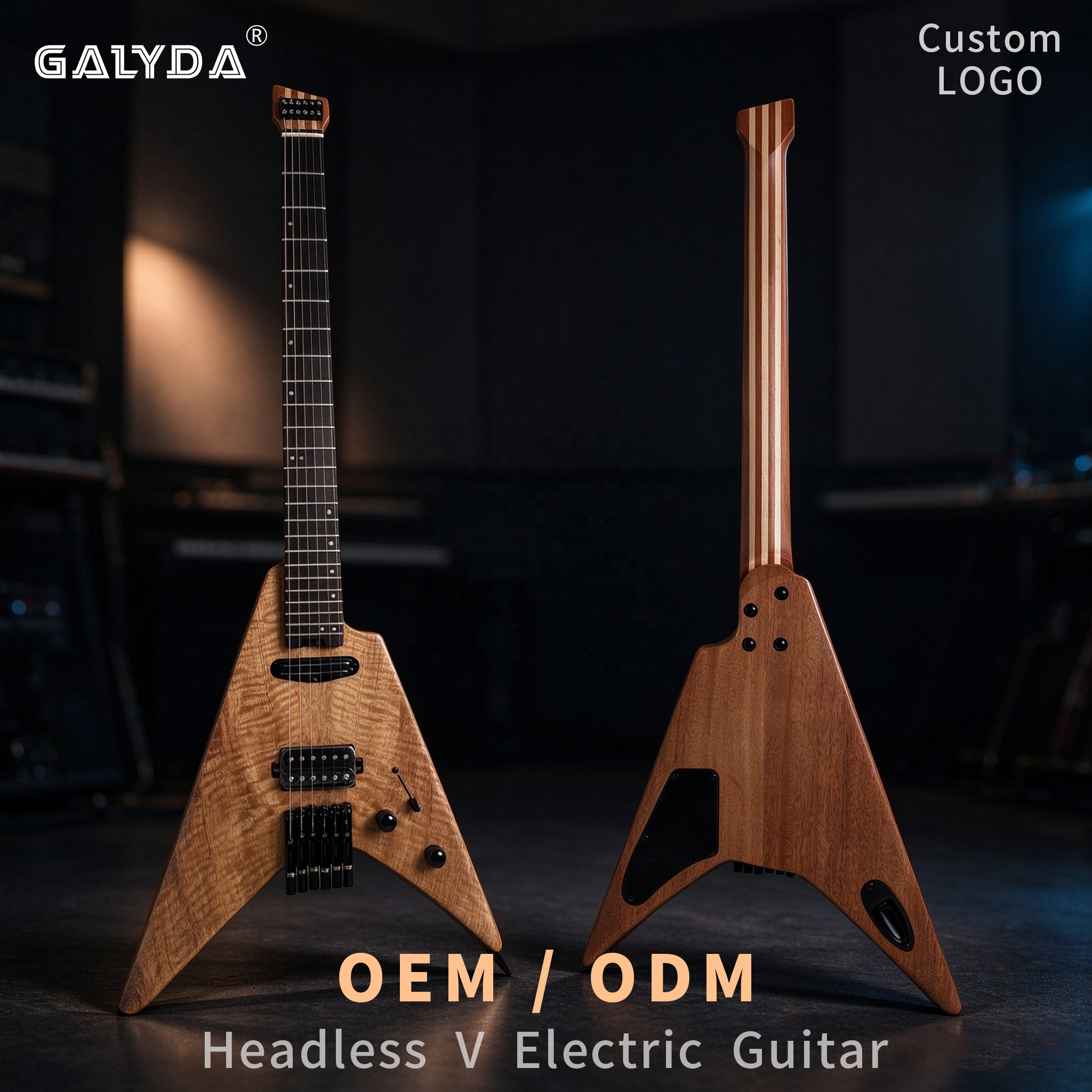
Headless V Shape Electric Guitar 6 Strings Mahogany Body 7 Piece Maple Neck Rosewood Fingerboard Guitar OEM
View Product Details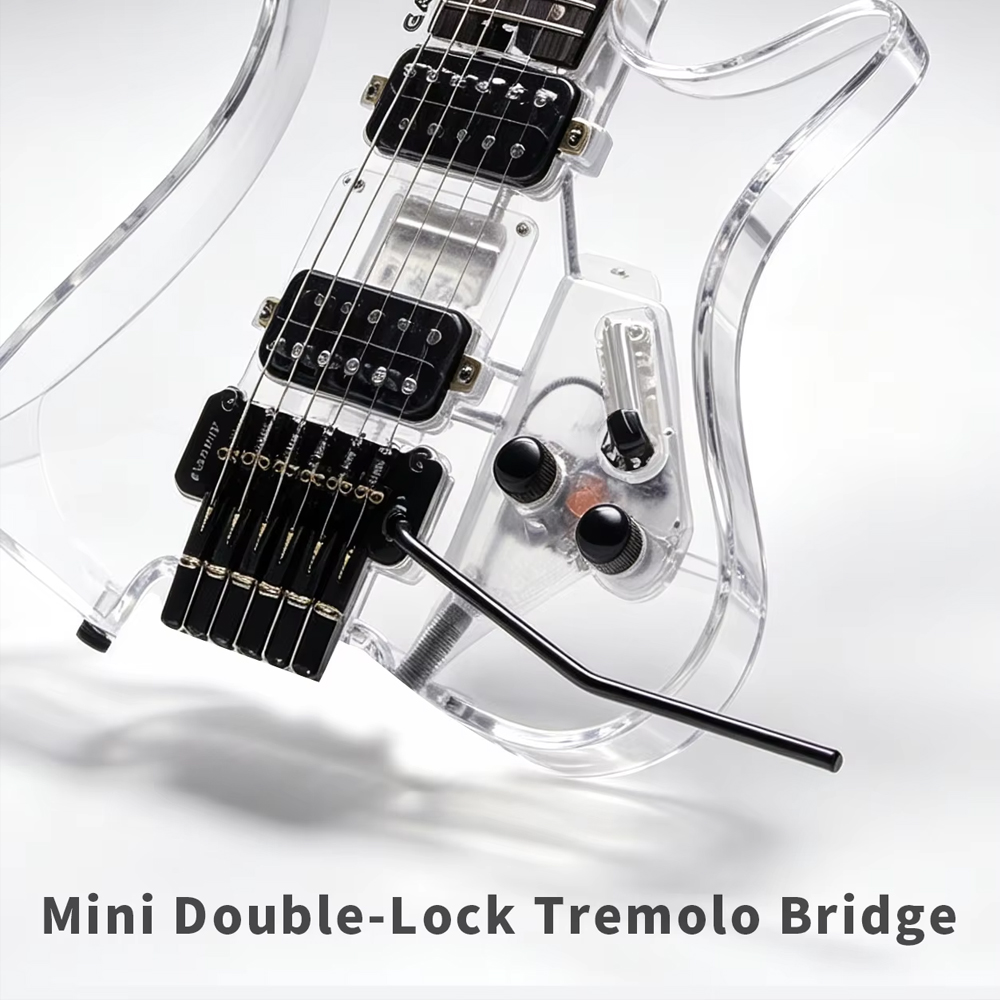
Silent Travel Guitar Africa Acrylic Chorus Headless Design Portable Professional Acoustic Electric OEM Manufacturer
View Product Details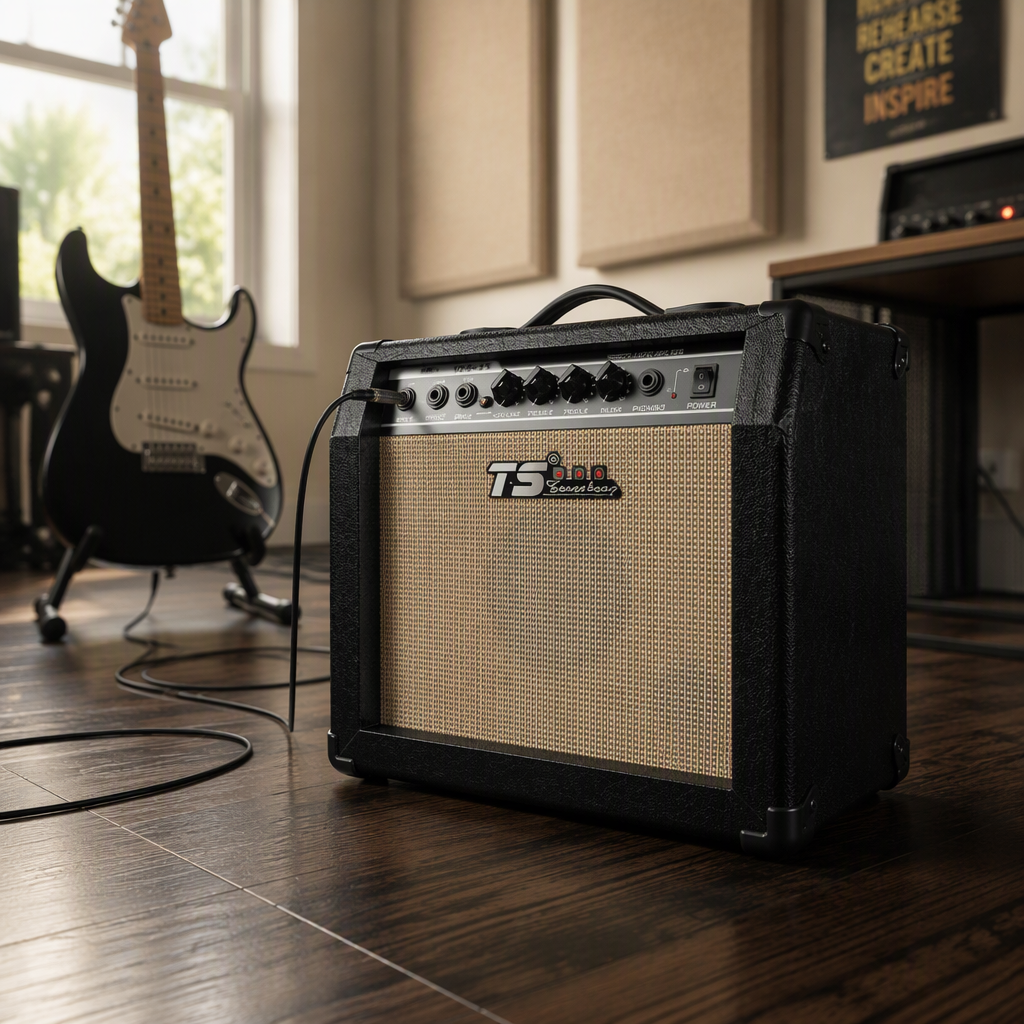
B-T Electric Guitar Amplifier Portable Rechargeable 15W 50W 100W for Music Performance
View Product Details
GALYDA Electric Guitar GM Style SS Pickup Tremolo Bridge 3 Way Toggle Switch Custom Logo OEM ODM Factory
View Product Details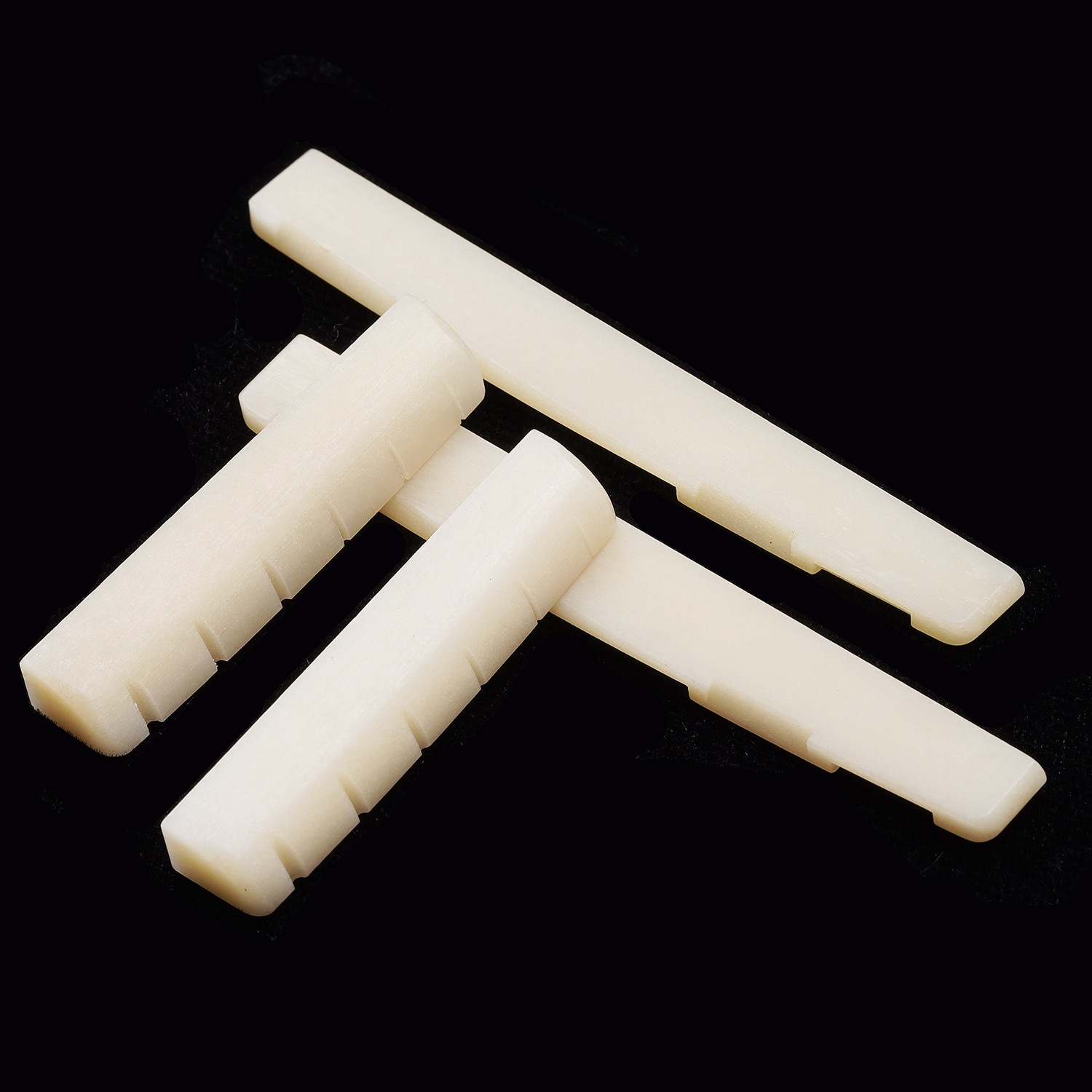
Acoustic Guitar Bone Nut Saddle Bridge Nut 43mm 74mm Natural Unbleached
View Product DetailsExecutive Industry Overview: Sourcing Semi-Acoustic Guitars from China
The global market for semi-acoustic guitars—frequently referred to as thinline hollowbody, center-block electric, or archtop hybrid guitars—is experiencing a significant resurgence. Driven by expanding cross-genre musical integration, from indie-rock and neo-soul to modern jazz fusion, commercial musical instrument buyers, brand owners, and distributors require instruments that offer an acoustic acoustic resonance alongside high-output electric performance without feedback vulnerabilities.
As the world's leading manufacturing hub for stringed instruments, China produces over 70% of the world's mid-range to professional-tier guitars. However, evaluating China best semi acoustic guitar suppliers & exporters requires an in-depth understanding of structural engineering, timber stability, bracing architecture, and pickup shielding protocols. Selecting an experienced OEM/ODM partner guarantees stable supply chains, low return rates, and high gross retail margins.
Strategic Value Chain Benchmarks
When establishing contract manufacturing or wholesale partnerships with Chinese instrument factories, global brands must assess critical enterprise metrics that go beyond simple price-per-unit figures:
- Acoustic Chamber Engineering: Precision CNC routing of mahogany, basswood, or maple bodies with internal spruce/maple center blocks.
- Environmental Tonewood Kiln Drying: Automated thermal moisture regulation keeping raw timber humidity within 8% to 12% to prevent body cracking during transatlantic shipping.
- Aesthetic Finishing & Binding: Hand-sanded multi-ply ABS/Pearloid binding along F-holes, headstocks, and body rims paired with high-gloss polyurethane or thin nitrocellulose coats.
- Electronic Noise Suppression: Shielded harness routing and humbucker grounding optimized for chambered soundboxes.
Technical Architecture & Manufacturing Standards of Semi-Acoustic Instruments
Unlike standard solid-body electric guitars or full-depth acoustic instruments, semi-acoustic guitars represent a complex hybrid manufacturing discipline. The soundboard, back, and rims must maintain high physical rigidity while remaining lightweight enough to resonate freely.
1. Center-Block Mechanics
The integration of a solid maple or mahogany block running down the center line divides the hollow wings. This block anchors the bridge, tailpiece, and pickups, mitigating structural deformation from string tension while suppressing low-frequency feedback loop oscillations.
2. Arched Pressing & CNC Contour
Premium semi-acoustic tops utilize multi-laminate maple/poplar veneers subjected to hydraulic high-temperature mold pressing. Advanced 5-axis CNC machines cut symmetrical F-holes and rout pickup cavities with sub-millimeter precision.
3. Electronics & Pickup Matching
Semi-acoustics require pickups tuned specifically to chamber acoustics. Vintage-voiced Alnico V humbuckers or noise-canceling P-90s capture warm, airy midrange notes while maintaining crisp treble clarity. Internal wiring uses braided copper cables to prevent RF interference.
Comparison: Semi-Acoustic vs. Solid Body vs. Full Hollow Body
To assist purchasing departments in structuring product catalogs, the following matrix breaks down structural and performance trade-offs:
| Structural Parameter | Semi-Acoustic (Center Block) | Solid Body Electric | Full Hollow Archtop |
|---|---|---|---|
| Feedback Threshold | High (Stage Volume Ready) | Maximum Resistance | Low (Prone to Low-End Feedback) |
| Acoustic Resonance | Medium-High (Airy, Woody Midrange) | Low (Sustain Focus) | Maximum Organic Resonance |
| Weight Profile | 3.2 kg – 3.8 kg (Balanced) | 3.6 kg – 4.5 kg (Dense) | 2.6 kg – 3.2 kg (Ultra Light) |
| Genre Versatility | Jazz, Blues, Rock, Indie, Gospel | Hard Rock, Metal, Pop, Country | Traditional Jazz, Swing, Fingerstyle |
| Manufacturing Complexity | High (Lamination + Chambering) | Medium (Solid CNC Shaping) | Very High (Carved/Pressed Arch) |
Future Sourcing & Procurement Trends (2025–2030)
As the international music products industry evolves, buyers must align with factories capable of adapting to emerging technological, environmental, and supply chain shifts. Understanding these developments guarantees long-term product relevance and regulatory compliance in Western markets.
1. Torrefied & Thermally Modified Tonewoods
Environmental regulations and changing climate conditions have accelerated the adoption of torrefied (roasted) woods. Subjecting maple necks and spruce tops to oxygen-free heat treatment crystallizes hemicellulose and removes residual moisture. The result is an artificially aged wood that delivers vintage resonance, reduced weight, and immunity to relative humidity swings during shipping.
2. Smart & Hybrid Transducer Systems
Modern guitar buyers demand versatility. Next-generation semi-acoustics are increasingly incorporating dual-source electronics: combining magnetic humbuckers with acoustic bridge piezo saddles or internal mic transducers. Smart onboard preamp circuits allow players to seamlessly mix electric grit with authentic acoustic tone over a single stereo jack.
3. Headless & Ergonomic Compact Semi-Acoustics
Driven by touring musicians and mobile content creators, headless guitar mechanics have entered the hollowbody market. Removing the headstock shifts weight back toward the player's body, eliminating neck-dive and reducing total instrument length by 15–20% without sacrificing standard scale lengths.
4. Flexible Low-MOQ Contract Manufacturing
The traditional requirement for multi-container MOQs per SKU is shifting toward agile, low-MOQ batch runs. Leading original equipment manufacturers now offer low-volume sampling (starting at 1 to 10 pieces) alongside fast custom branding turnaround times. This allows boutique brands and regional distributors to test market reaction before placing volume orders.
Enterprise Strengths & Manufacturing Excellence: Huizhou NFGF Musical Instrument Co., Ltd.
Located in Qiuchang, Huiyang District, Huizhou—the heart of Guangdong's premier instrument manufacturing cluster—Huizhou NFGF Musical Instrument Co., Ltd. (est. 2014) represents the gold standard in modern Chinese OEM/ODM manufacturing. Combining precision industrial machinery with skilled luthiery, NFGF provides comprehensive manufacturing services to global music retailers, online brand owners, and OEM importers.
Complete In-House Production Capabilities
Unlike sourcing agents who trade products through third-party workshops, NFGF controls every step of production across a modern 5,100 m² facility:
- Automated Wood Milling: Multi-head CNC routers cut body shapes, neck profiles, F-holes, and truss-rod channels to tight tolerances.
- Precision Sanding & Surface Prep: Automated wide-belt sanders combined with hand-sanding ensure glass-smooth surfaces prior to painting.
- Cleanroom Dust-Free Painting: Multi-coat polyurethane, satin, high-gloss, and burst spray lines yield clear, chip-resistant finishes.
- Mirror Finishing & Buffing: Multi-stage mechanical buffing wheels restore high-gloss luster without orange-peel texture.
- Luthiery Assembly & Electronic Testing: Hand-fret leveling, crowning, nut slotting, action setup, and 100% electronic noise checks.
Quality Control & Compliance Framework
Every shipment passes a multi-stage quality assurance process: incoming wood inspection, dimensional stability checks post-CNC, paint thickness measurement, final playability assessment (fret buzz, string height, intonation), and export packaging drop-tests in heavy-duty 5-ply cartons.
Frequently Asked Questions for B2B Guitar Sourcing
Essential operational insights for purchasing managers, importers, and brand owners seeking custom semi-acoustic and electric guitar manufacturing.
What is the minimum order quantity (MOQ) for custom OEM guitar orders?
Many electric, bass, and acoustic guitar models start at an MOQ of just 1 piece for standard stock or minor custom logos. Fully customized design runs (custom body shapes, custom inlay, non-standard timbers) typically require 30 to 50 pieces per SKU depending on production tooling needs.
How do China factories control timber moisture for export to dry climates?
Professional suppliers like NFGF operate automated kiln dryers that stabilize raw wood moisture to between 8% and 12%. Timber is rested in climate-controlled conditioning rooms prior to CNC machining. This prevents body warping, neck bowing, or fret-sprout when instruments are exported to dry regions like North America or Northern Europe.
Can we customize logo placement, headstock shapes, and custom hardware finishes?
Yes. OEM and ODM customization options include laser-engraved or silk-screened headstock logos, custom inlay work, unique headstock profiling, custom pickguards, hardware plating (chrome, nickel, gold, matte black), pickup wiring configs, and custom-branded packaging.
What is the typical production lead time for sample and bulk orders?
Sample evaluation units are produced within 15 to 25 days depending on specification complexity. Bulk container production orders generally require 35 to 50 days from final sample approval and deposit confirmation.
How are semi-acoustic guitars protected during ocean or air transport?
Instruments are packed in high-density EPE foam bags, placed in individual reinforced inner boxes, and master-packed into export-grade 5-ply double-corrugated cartons. Importers can also order custom hardshell cases or padded gig bags pre-packed directly from the factory floor.
Is the factory independently audited for international trade compliance?
Yes. Huizhou NFGF Musical Instrument Co., Ltd. is independently audited on-site by SGS Group. Audit documentation covers facility square footage, machine inventory, employee records, material traceability, and quality management systems.