Factory-Direct Stringed Instruments & Gear
Explore our top-performing wholesale products engineered for international brands, educational institutions, and retail distributors.

Engineering Excellence: The Mechanics of CE Certified 12-String Manufacturing
Manufacturing a professional-grade twelve-string guitar represents one of the most complex mechanical engineering challenges in luthiery. Unlike conventional 6-string acoustic or electric guitars—which exert approximately 130 to 180 pounds of static linear tension on the bridge, neck joint, and soundboard—a 12-string guitar tuned to standard pitch (E2-E2, A2-A2, D3-D3, G3-G3, B3-B3, E4-E4) generates an immense structural tension exceeding 240 to 300 pounds-force (lbf). Without rigorous internal architecture, precise tonewood seasoning, and certified hardware, this extreme load inevitably leads to neck bowing, soundboard "bellying," bridge lifting, and intonation collapse over time.
As an established premier CE certified twelve-string guitar factory and exporter, Huizhou NFGF Musical Instrument Co., Ltd. addresses these engineering vulnerabilities through advanced material physics, precision CNC geometry, and strict European conformity standards. Below is a deep-dive analysis into the critical manufacturing innovations that guarantee structural permanence, superior acoustic projection, and full regulatory compliance for global importers.
Dual Carbon Fiber & Truss Rods
To eliminate rotational neck twist caused by uneven octave string tension (where thin octave steel strings exert sharp localized tension next to heavy wound strings), our factory embeds dual carbon fiber stabilization rods alongside a two-way heavy-duty steel truss rod inside the hardwood neck core.
Custom Modified X-Bracing
Our acoustic 12-string models utilize a proprietary quarter-sawn Sitka Spruce parabolic X-bracing design, reinforced with solid bridge plate pads made of high-density maple or rosewood. This layout disperses bridge torque evenly across the perimeter lower bout without choking top resonance.
CE Mark & EU REACH Compliance
Compliance is mandatory for European distribution. Our lacquers, nitrocellulose finishes, adhesives, pickguards, and electronic preamps undergo exhaustive chemical and electrical safety testing (EN 71-3, REACH heavy metals, RoHS) to secure valid CE certification for smooth customs clearance.
Future Sourcing & Procurement Trends for 12-String Guitars (2025–2030)
The global market for specialty acoustic and electro-acoustic stringed instruments is experiencing a distinct resurgence driven by expanding indie-rock production, acoustic folk revival, live worship performances, and homestudio recording trends. B2B musical instrument buyers, wholesale distributors, and OEM private-label brand owners must adapt to evolving consumer preferences and technical benchmarks.
1. Integration of Smart Electro-Acoustic Preamp Systems
Modern guitar players demand seamless transition from unplugged acoustic sessions to direct digital audio workstation (DAW) recording. The 2025–2030 procurement cycle sees a sharp drop in purely acoustic 12-strings and a massive surge in demand for electro-acoustic 12-string models equipped with onboard piezo transducers, mic-blend pickups, and integrated tuner display units. Preamp circuits must be shielded against electromagnetic interference (EMI) to meet European CE directives.
2. Roasted/Torrefied Tonewood Adoption
Climate variations during maritime ocean freight remain a leading cause of wood warping and fret-sprout in exported instruments. Leading global brands are increasingly specifying Torrefied (Roasted) Maple necks and thermally treated Spruce soundboards. The artificial aging process bakes out volatile resins and moisture, rendering the wood crystalline, impervious to humidity fluctuations, and sonically reminiscent of a vintage instrument.
3. Ergonomic Body Contours & Beveled Armrests
Because 12-string guitars typically feature full-size Dreadnought, Jumbo, or Grand Auditorium body profiles to maintain low-end response, player comfort has historically suffered. Factory-level custom tooling now allows smooth, beveled wooden armrests and neck heel cuts, vastly improving playability for long stage performances without sacrificing acoustic soundbox volume.
- Automated CNC Fret Slotting & Dressing: Precision fret leveling within 0.02mm tolerances ensures zero string buzzing across all 24 octave/standard string pairs.
- Eco-Friendly Polyurethane & UV Curing: Rapid-curing UV ultra-thin coatings provide crystal-clear gloss protection with zero hazardous VOC emissions.
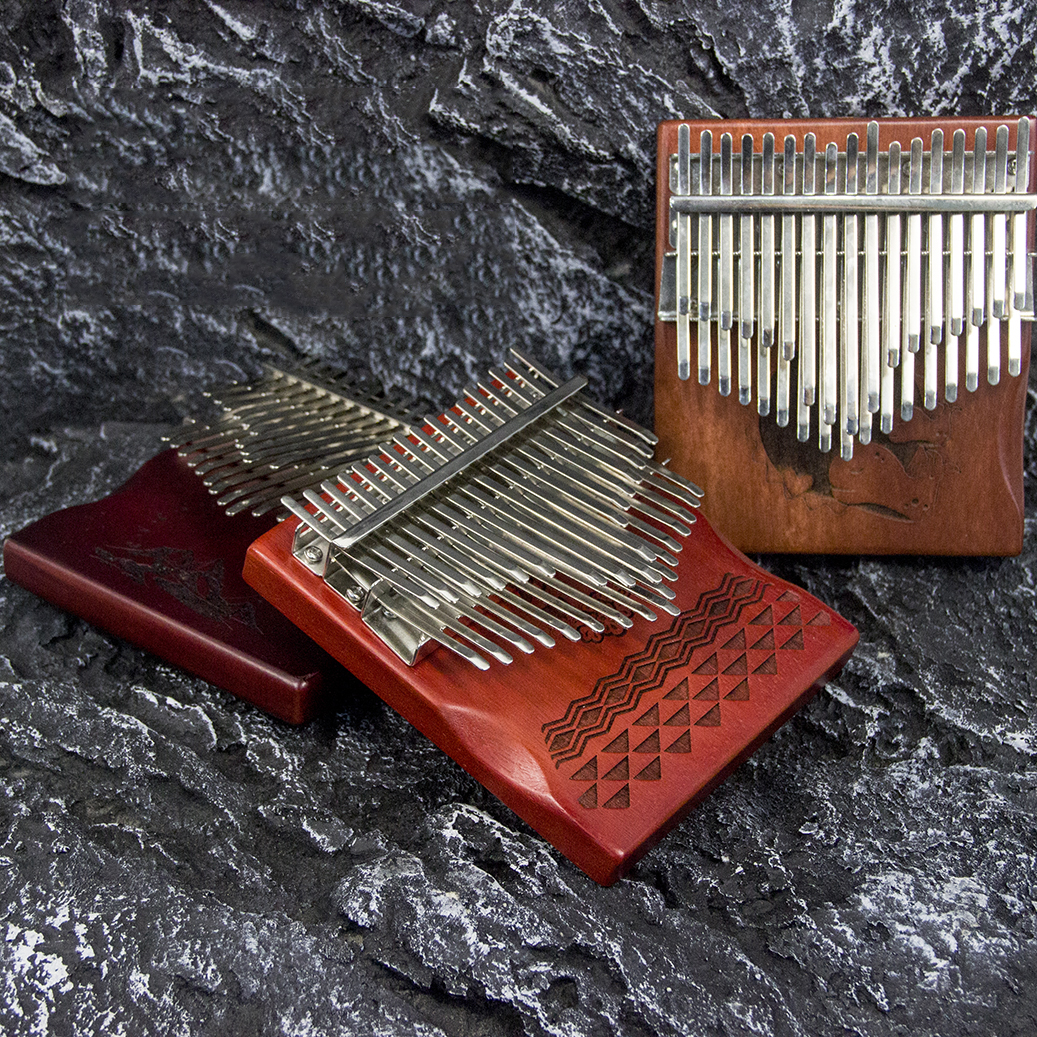
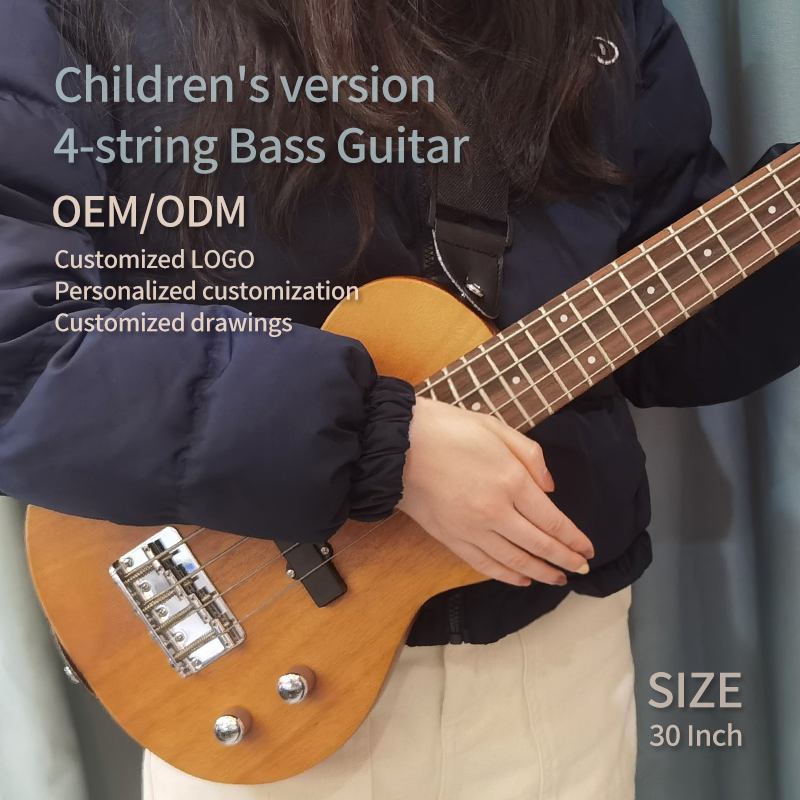
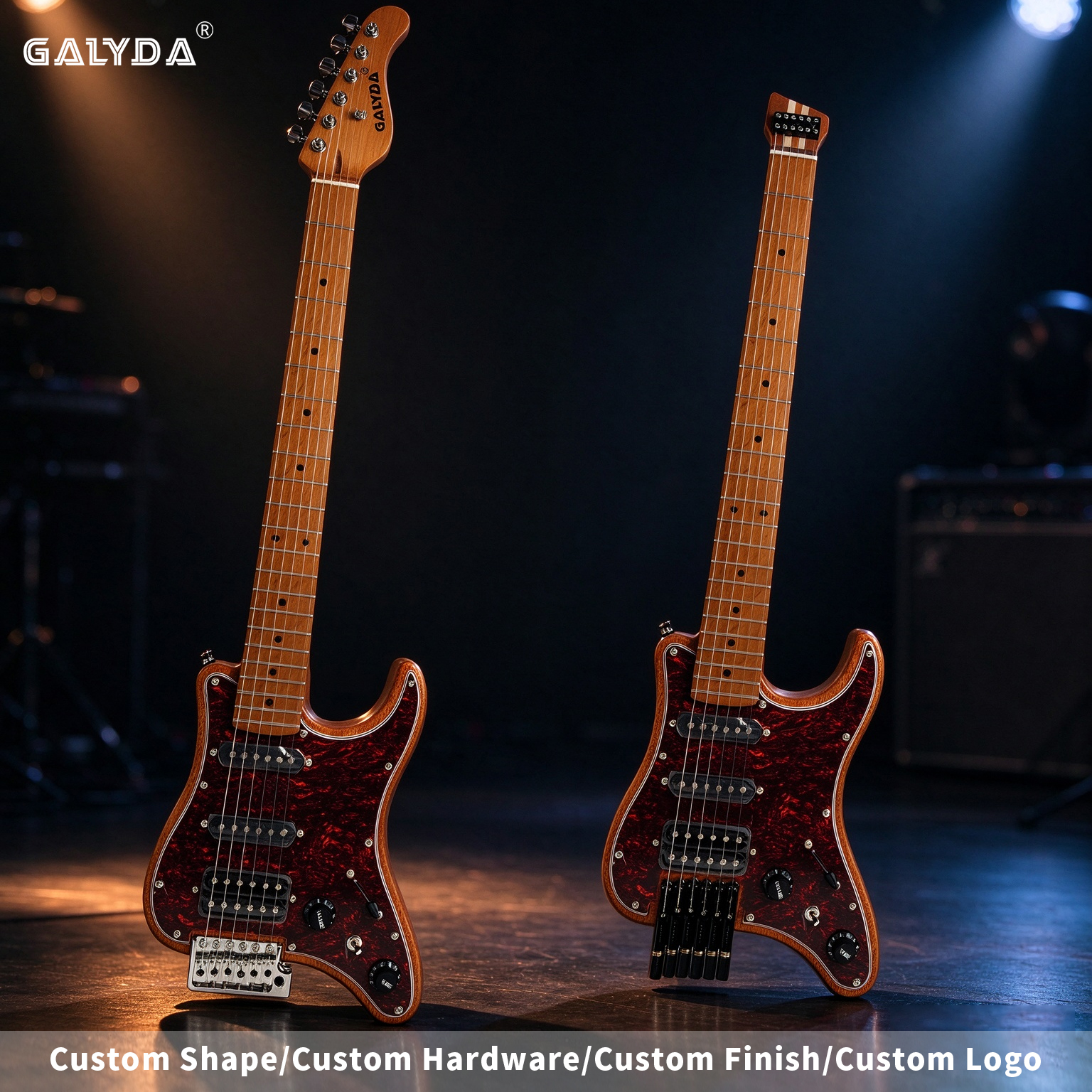
- Low-MOQ Modular B2B Customization: Brand owners can order mixed containers comprising electric guitars, short-scale basses, kalimbas, and 12-string acoustics under a single OEM contract.
Why Partner With Huizhou NFGF Musical Instrument Co., Ltd.?
Established in 2014 in Qiuchang Town, Huiyang District, Huizhou—the world-renowned epicenter of musical instrument manufacturing in Guangdong, China—Huizhou NFGF Musical Instrument Co., Ltd. is an SGS-verified custom manufacturer integrating R&D, precision manufacturing, and international trade.
Operating out of a modern 5,100 square meter factory facility staffed by 53 master luthiers, technicians, and international sales specialists, NFGF holds over 100 original design patents and intellectual property copyrights. Our production line spans complete stringed instrument ecosystems: electric guitars, electric basses, acoustic folk/classical instruments, ukuleles, solid-wood kalimbas, steel tongue drums, and high-fidelity effect pedals.
In-House 8-Stage Manufacturing Control
Every guitar manufactured in our facility moves through strict, non-subcontracted internal phases: 1) Kiln-Dried Tonewood Seasoning → 2) CNC Body/Necks Profiling → 3) Structural Jointing → 4) Hand Sanding → 5) Spray Lacquering → 6) High-Gloss Buffing → 7) Luthier Assembly & Wiring → 8) Playability & Stress QC.
Export Verification & SGS Quality Auditing
We take compliance seriously. Our factory undergoes annual on-site audit assessments conducted by international inspection bodies (SGS Group, latest verification Nov 2025). All electrical components, tonewood harvest documentation, and chemical lacquers comply with EU CE, FCC, and global environmental standards.
Need custom OEM samples or full container quotation for your brand?
Frequently Asked Questions (B2B Procurement FAQ)
Below are authoritative technical and commercial answers to frequent inquiries from international importers, retail chain buyers, and wholesale partners regarding 12-string guitar manufacturing and factory export.
Why is CE Certification necessary for importing 12-string acoustic-electric guitars into Europe?
CE marking confirms that the product complies with European Union safety, health, and environmental protection requirements. For electro-acoustic or electric 12-string guitars, CE certification covers electromagnetic compatibility (EMC) of active preamps/pickups, as well as REACH / EN 71-3 regulations ensuring that body finishes, dyes, metal frets, and pickguards are free from hazardous heavy metals like lead, cadmium, and phthalates.
How does NFGF prevent bridge lift and top bowing on high-tension 12-string guitars?
We mitigate structural strain by pairing kiln-dried tonewoods (seasoned to a strict 8%–10% relative moisture content) with custom quarter-sawn Sitka Spruce parabolic X-bracing. Additionally, an enlarged hardwood bridge plate distributes pulling forces over a wider surface area beneath the soundboard, while dual internal carbon-fiber neck reinforcement bars resist long-term forward bowing.
What is the Minimum Order Quantity (MOQ) for custom OEM 12-string guitar production?
For standard stocking models or low-customization sample evaluations, our MOQ starts from as low as 1 to 10 pieces depending on the specific model. For full custom OEM branding (custom headstock inlay, bespoke body finishes, specialized pickup configurations, and custom packaging), our typical baseline batch size starts at 30 to 50 pieces per model.
Can we request custom tonewood combinations, headstock logos, and hardware colors?
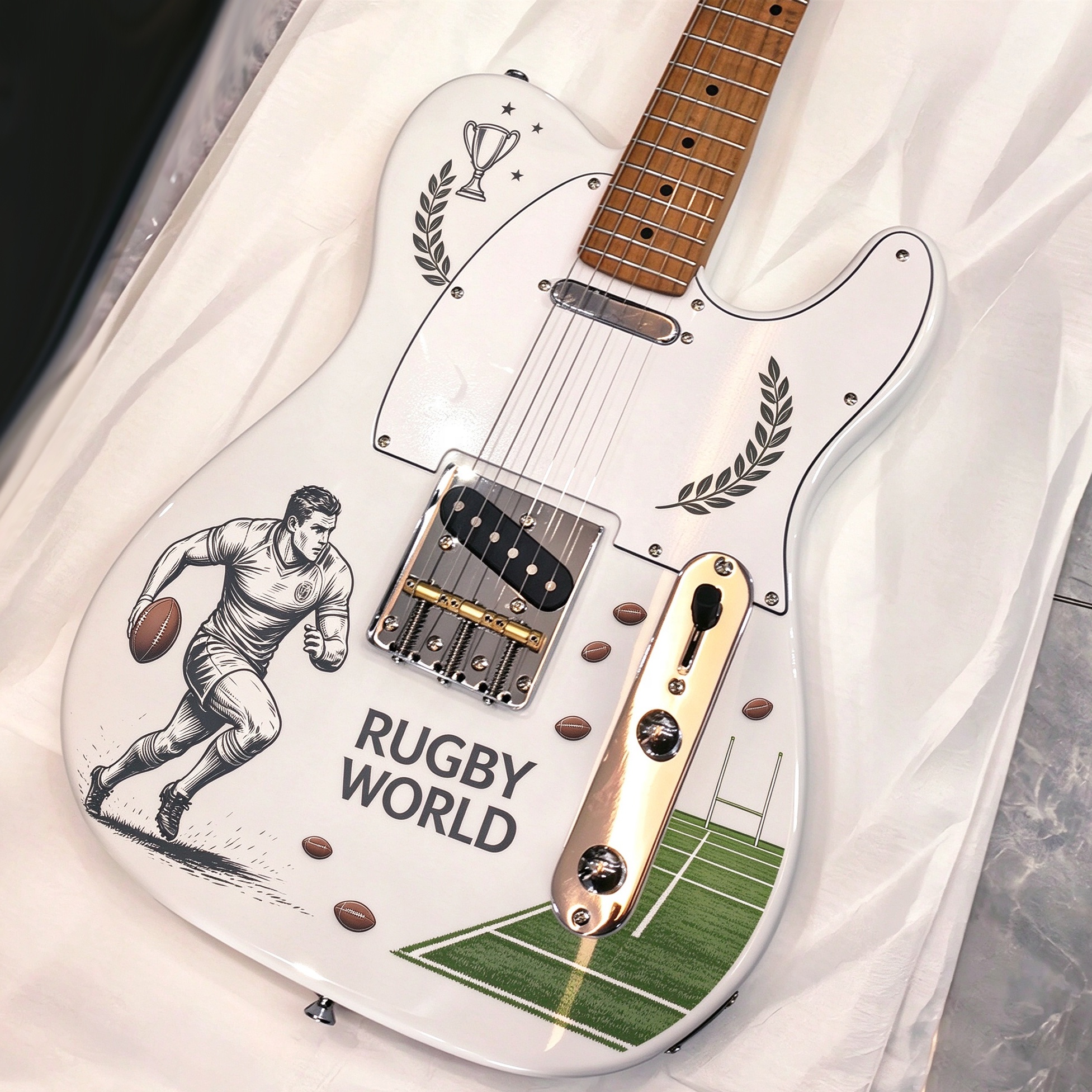
Absolutely. As a dedicated OEM/ODM manufacturer, we offer full design-based customization. You can select body woods (Solid Sitka Spruce, Mahogany, Sapele, Rosewood, Roasted Maple), hardware finishes (Chrome, Die-Cast Gold, Matte Black), nut materials (Genuine Bone, Graph Tech), and logo application methods (Silk-screen, Laser Engraving, Mother-of-Pearl Decal, or Metallic Inlay).
How are instruments protected against damage during ocean container transport?
Each instrument is placed inside a moisture-controlled polybag with silica gel desiccant packs, fitted into a tailored 5-ply heavy corrugated inner cardboard box (or custom gig bag/hard case), and then consolidated into export-grade master shipping cartons reinforced with edge protectors and strapping. Full container load (FCL) shipments also include container-level desiccant bags to prevent moisture condensation during sea transit.
Start Your OEM / ODM 12-String Guitar Project Today
Connect directly with our engineering and export team. Get tailored technical specifications, CE compliance documentation, sample evaluations, and competitive factory-direct pricing.