Featured OEM Mini & Short-Scale Guitars
Explore our SGS-audited, CE-compliant travel and short-scale instrument portfolio manufactured at our 5,100 m² facility in Huizhou.

Enterprise Strength: Huizhou NFGF Musical Instrument Co., Ltd.
Established in 2014 in Qiuchang, Huiyang District, Huizhou City—Guangdong's premier musical instrument manufacturing hub—NFGF operates as an SGS-verified OEM/ODM custom manufacturer.
SGS On-Site Audited Precision
Our manufacturing lines, wood moisture stabilization kilns, automated paint shops, and assembly lines undergo rigorous annual third-party verification by SGS Group, guaranteeing full structural transparency and reliable supply chain execution for institutional buyers.
In-House R&D & Design Patents
With over 100 design patents and copyrights, our engineering team continuously develops ergonomic short-scale body contours, low-mass headless hardware systems, and advanced noise-canceling pickup configurations engineered specifically for compact travel instruments.
End-to-End OEM/ODM Flexibility
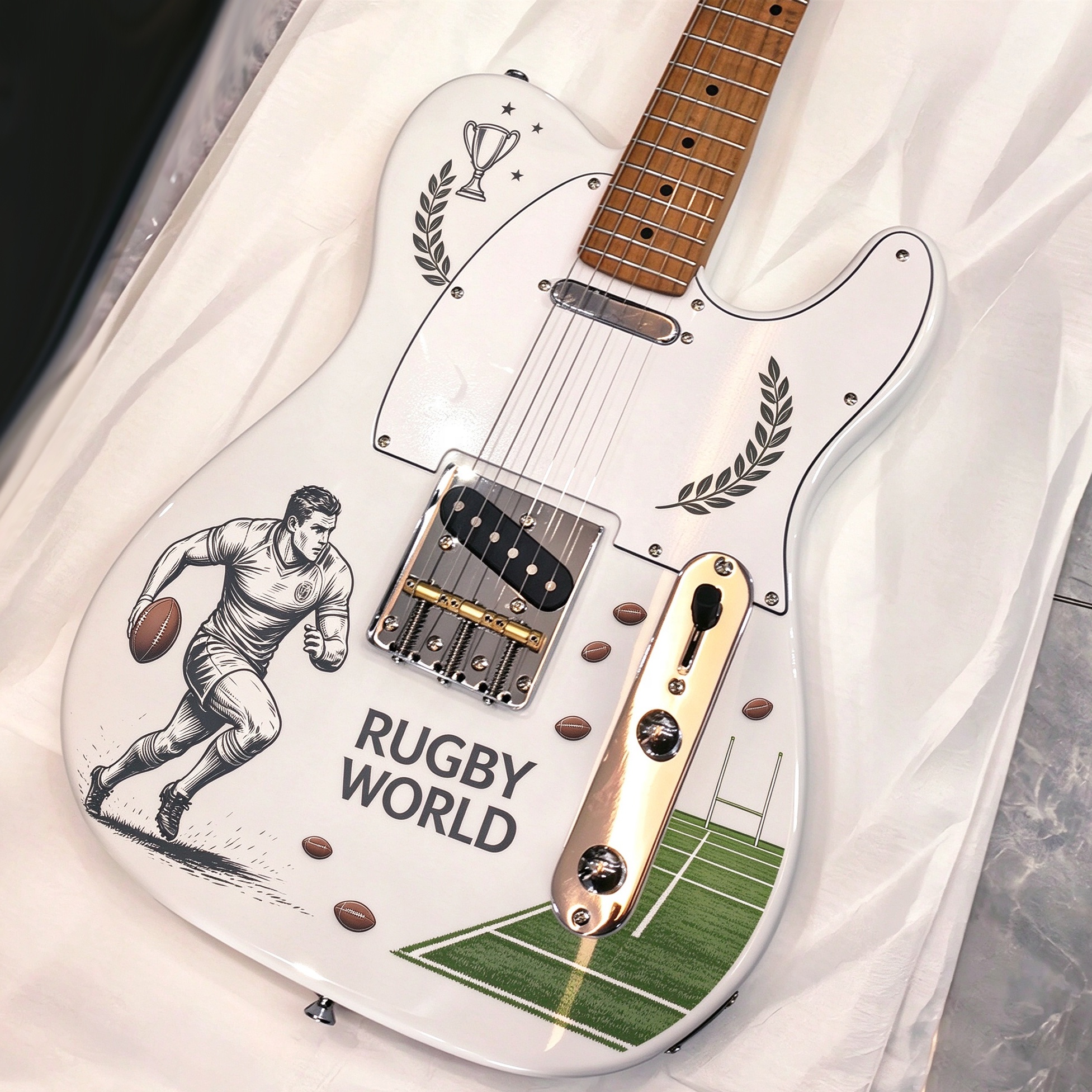
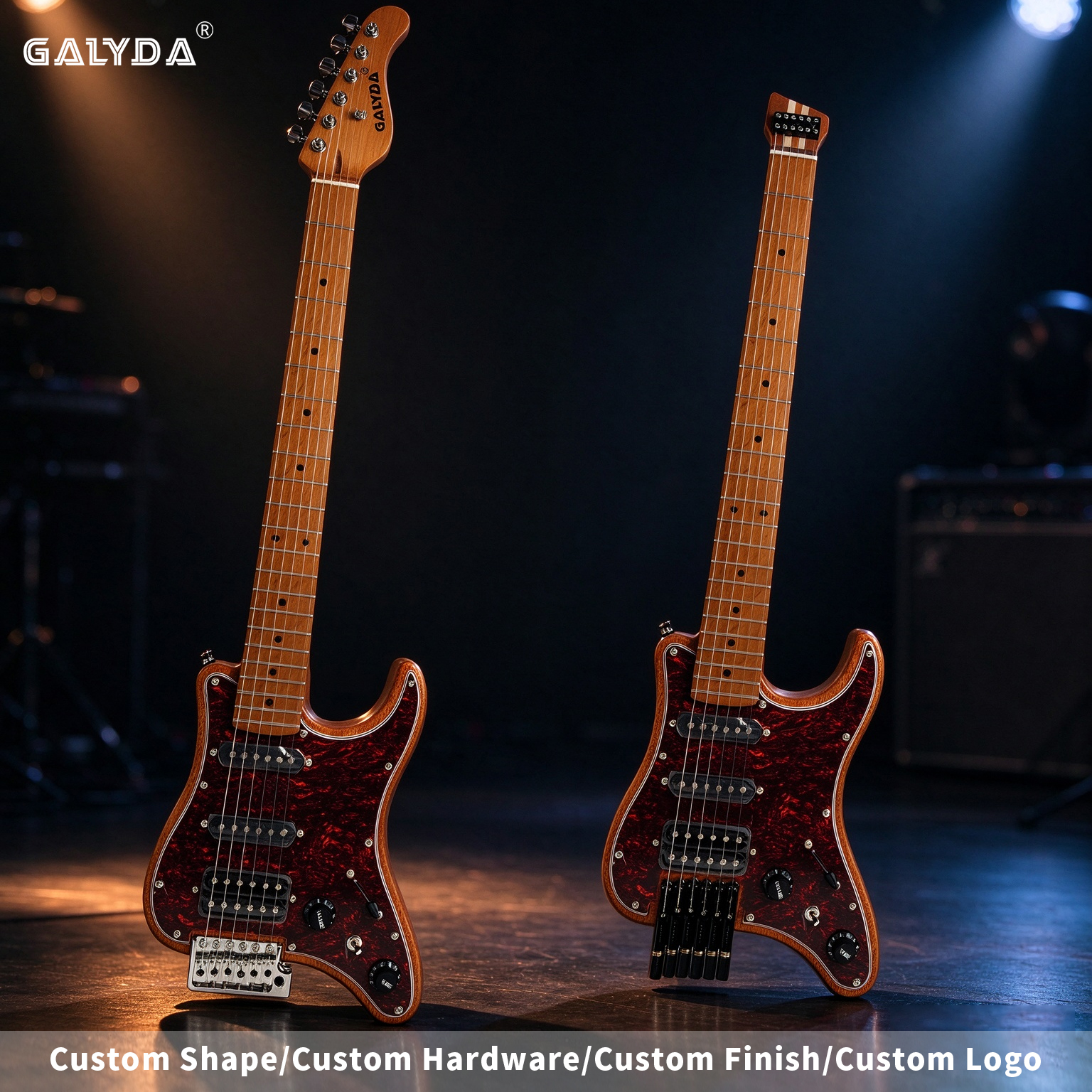
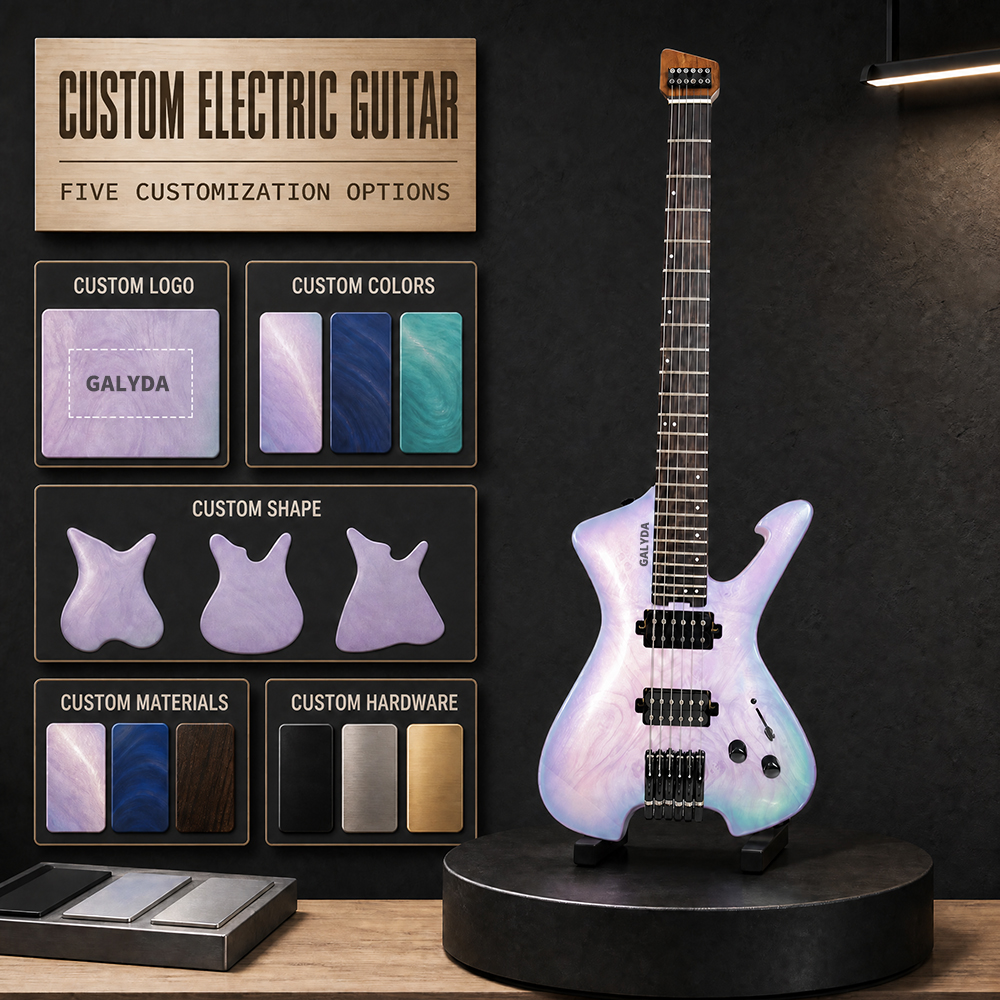
From low MOQ sampling (starting at 1 piece for standard models) to full custom container loads, we accommodate specialized tonewood selections (roasted maple, mahogany, carbonized maple), custom logo application (laser, silk-screen, inlay), and retail packaging customization.
Navigating CE Certification for Mini Guitars
A Technical Whitepaper Analysis for Global Musical Instrument Importers, Brands, and Retailers
In global musical instrument procurement, short-scale electric guitars, travel acoustics, mini bass instruments, and portable amplifiers occupy a unique retail space. Because mini guitars are frequently marketed to youth demographics, entry-level students, and mobile performers, compliance oversight in jurisdictions like the European Union, the United Kingdom, and North America is exceptionally stringent. Obtaining and maintaining authentic CE Certification is not merely a branding badge—it is a comprehensive structural, chemical, and electromagnetic safety framework that safeguards B2B importers against customs seizures, product recalls, and legal liability.
Core European Directives Governing Mini Guitar Production
To qualify for genuine CE marking, a mini guitar factory must demonstrate total compliance across three distinct regulatory vectors depending on whether the instrument is passive, active, or bundled with electronic peripherals:
- EN 71 Toy Safety Directive Standards (EN 71-1, 71-2, 71-3): When short-scale or mini guitars (typically scale lengths under 22.5 inches) are classified or sold in consumer channels accessible to children under 14 years old, they must satisfy EN 71 safety mandates. EN 71-1 regulates physical and mechanical hazard prevention (ensuring tuning pegs, fret wire ends, and strap buttons cannot detach to create small-part choking risks). EN 71-2 dictates flammability limits for nitrocellulose and polyurethane lacquers, while EN 71-3 imposes strict migration thresholds on 19 heavy metals (such as lead, cadmium, arsenic, and chromium) present in paints, fingerboard dyes, and nickel hardware plating.
- RoHS 3 Directive (2015/863/EU): Applied strictly to electric mini guitars, active pickup preamp circuits, tuning caps, and portable mini amplifiers. RoHS restricts ten hazardous substances including Lead (Pb), Mercury (Hg), Cadmium (Cd), Hexavalent Chromium (Cr6+), and specific phthalates (DEHP, BBP, DBP, DIBP) used in cable jack jackets, potentiometer plastics, and solder joints.
- REACH Chemical Safety Framework (EC 1907/2006): Importers must ensure that tonewood coatings, fretboard conditioning oils, binding adhesives, and gig bag textiles contain zero Substances of Very High Concern (SVHC) exceeding 0.1% weight-by-weight (w/w). Particular attention is given to Polycyclic Aromatic Hydrocarbons (PAHs) in rubber volume caps and synthetic leather gig bag handles.
- Electromagnetic Compatibility (EMC Directive 2014/30/EU) & Low Voltage Directive (LVD 2014/35/EU): Relevant for portable battery-powered 40W mini guitar amplifiers, wireless transmitters, and onboard active EQ modules. Equipment must not generate electromagnetic interference capable of disrupting telecommunications, and must resist ambient radio-frequency interference without signal degradation.
The NFGF Quality Guarantee & Compliance Standard
Huizhou NFGF Musical Instrument Co., Ltd. subjects every batch of raw tonewood, binding polymer, electronic harness, and finished coating to systematic laboratory testing. Our CE and FCC documentation package provides B2B buyers with verifiable declaration of conformity reports, ensuring seamless customs clearance across European and North American ports of entry.
Technical Challenges & Solutions in Mini Guitar Lutherie
Designing a mini or short-scale guitar (scale length ranging from 20.5 inches / 520 mm to 22.5 inches / 572 mm) presents complex acoustical and physical engineering obstacles compared to standard 25.5-inch scale instruments. Reducing the scale length reduces total string tension under standard E-AD-G-B-E tuning by approximately 30% to 40%. Without precise structural adjustments, short-scale guitars suffer from poor pitch stability, fret buzz, muddy low-end harmonic response, and severe intonation distortion.
1. Tension Vector Optimization & Fret Geometry
At our Huizhou facility, our lutherie engineers solve the low-tension equation through three primary design modifications:
- Laser-Assisted Fret Slotting: Fret placement tolerance on a 22.5-inch scale mini guitar must be held within ±0.02 mm. CNC-guided laser saws cut fret slots into our rosewood and carbonized maple fingerboards to prevent pitch deflection when fretting notes near the nut.
- Modified Headstock Break Angles & String Trees: To preserve string tension over the synthetic bone or graphite nut, headstock tilt angles are calculated at 13° to 15°, supplemented by dual roller string trees that equalize downforce across strings 1 through 4.
- Custom String Gauge Calibration: We supply OEM travel guitars factory-strung with high-tension nickel-wound sets (e.g., .010-.046 or .011-.052 gauge) to maintain tactile string resistance equal to full-sized instruments without requiring higher tuning pitches (like A-to-A or G-to-G transpositions).
2. Torrefied & Carbonized Maple Neck Technology
Short-scale instruments are frequently subjected to harsh travel environments, rapid humidity fluctuations, and temperature spikes. To guarantee structural stability, NFGF utilizes Roasting / Carbonization Processing for neck wood. Maple billets are baked in anoxic vacuum kilns at temperatures between 180°C and 220°C.
This thermal process pyrolyzes hemicellulose within the cell walls, reducing the wood's equilibrium moisture content (EMC) to less than 5%. The resulting roasted maple neck exhibits complete immunity to atmospheric humidity swings, eliminates neck warping or twisting, enhances sustain, and gives the wood an elegant, golden-amber vintage aesthetic without needing heavy chemical sealers.
3. Headless Technology & Mass Redistribution
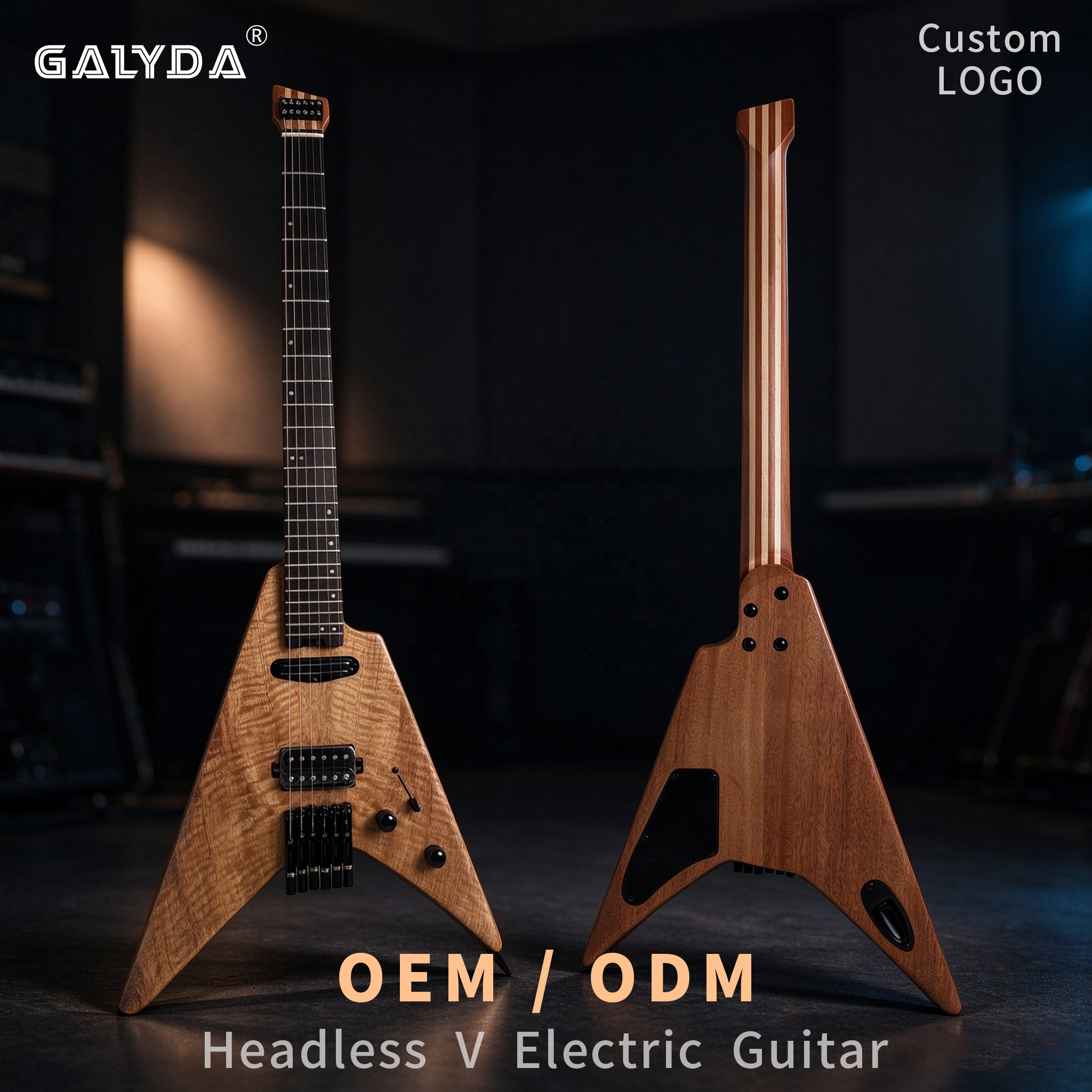
For true ultra-portable mini electric guitars, traditional headstocks add unnecessary lever-arm weight and balance distortion. Integrating headless neck construction—utilizing dual-action truss rods and bridge-mounted tuning machines—redistributes the instrument's center of gravity directly to the body core. This results in superior ergonomic equilibrium during standing or seated performances and reduces overall length by up to 25% without sacrificing usable fretboard real estate.
Kiln Drying & Moisture Stabilization
Tonewoods undergo multi-stage kiln drying until internal moisture content locks between 6% and 8%, preventing post-production cracking or fret sprout in export markets.
5-Axis CNC Precision Carving
Automated 5-axis CNC routers carve body contours, pickup cavities, and neck heels with micron-level repeatability, guaranteeing perfect neck-pocket fit and acoustic resonance transfer.
Automated Paint & Hand Buffing
Multi-coat electrostatic polyurethane or nitrocellulose lacquers are applied in dust-free chambers, followed by 5-stage mechanical and hand buffing for a high-gloss glass finish.
Future Sourcing & Procurement Trends in Mini Guitars
Key Insights for Wholesale Buyers, Distributors, and Brand Managers Preparing for 2025–2030
The global musical instrument industry is undergoing a structural shift driven by changing consumer demographics, rising urban density, the explosion of digital content creation, and eco-conscious procurement policies. Mini guitars, once viewed purely as novelty items or beginner toys, have evolved into a high-growth segment commanding significant market share in retail and e-commerce channels. B2B buyers must align their supply chains with four critical macroeconomic and technical trends shaping the next decade of production:
1. The Shift Toward High-Performance Travel Guitars for Digital Nomads
The global rise of remote working, busking culture, and mobile music creation has created a massive demographic of adult musicians seeking compact, lightweight, but premium-grade instruments. Modern consumers demand mini guitars that deliver zero tonal compromise. Consequently, demand is moving rapidly away from ultra-cheap laminate construction toward solid wood tops, roasted maple necks, carbon fiber reinforcements, and high-output pickup voicings. Retail brands sourcing mini guitars must offer instruments equipped with premium gig bags, foldable or headless designs, and fast playability that satisfies experienced players.
2. Onboard Active Preamps & Wireless Connectivity Integration
Future-ready mini guitars are increasingly designed as standalone music-making platforms. Sourcing trends highlight a rapid shift toward integrating low-latency Bluetooth modules, built-in headphone preamps, digital effects processors (reverb, delay, amp modeling), and rechargeable lithium-ion battery systems directly into the instrument body. This allows players to practice silently in hotel rooms or perform outdoors without hauling external amplifier stacks. B2B importers must partner with factories capable of managing both lutherie woodworking and complex electronic surface-mount technology (SMT) integration under one roof.
3. Eco-Friendly Tonewood Substitutes & Sustainable Supply Chains
With CITES regulations restricting traditional Rosewood (Dalbergia) species and global forestry standards tightening under CITES Appendices and EUDR (European Union Deforestation Regulation), mini guitar factories must adopt sustainable tonewood alternatives. Leading suppliers are replacing scarce rainforest timber with thermally modified bamboo, carbonized maple, paulownia body cores, high-density tech-wood fingerboards, and bio-based resin finishes. Importers who secure supply chains rooted in verified sustainable forestry and EUDR compliance will gain a distinct competitive advantage in Western markets.
3. Modular OEM/ODM Customization & Rapid Prototyping
E-commerce retailers and direct-to-consumer (D2C) instrument brands require faster time-to-market cycles. Traditional 120-day prototyping timelines are no longer viable. Advanced Chinese factories like NFGF are leveraging 3D CAD modeling, virtual stress testing, and modular component inventories (standardized neck pockets, pre-wired SSH/HSS harnesses, interchangeable pickguards) to reduce sample development times down to 14–21 days, enabling buyers to capture emerging color trends and seasonal demands effortlessly.
Advanced Production & Quality Control Protocols
At Huizhou NFGF Musical Instrument Co., Ltd., our 5,100 m² workshop operates under strict 6S management and lean production methodologies. Quality control is not an isolated final step—it is embedded into every operational phase across our 53-person workforce.
Automated Fret Crown Dressing
Every fingerboard undergoes computerized fret leveling, end-rounding, and high-speed buffing to eliminate sharp fret edges (fret sprout) and ensure silky hand feel along the entire neck edge.
48-Hour Electronic Burn-In
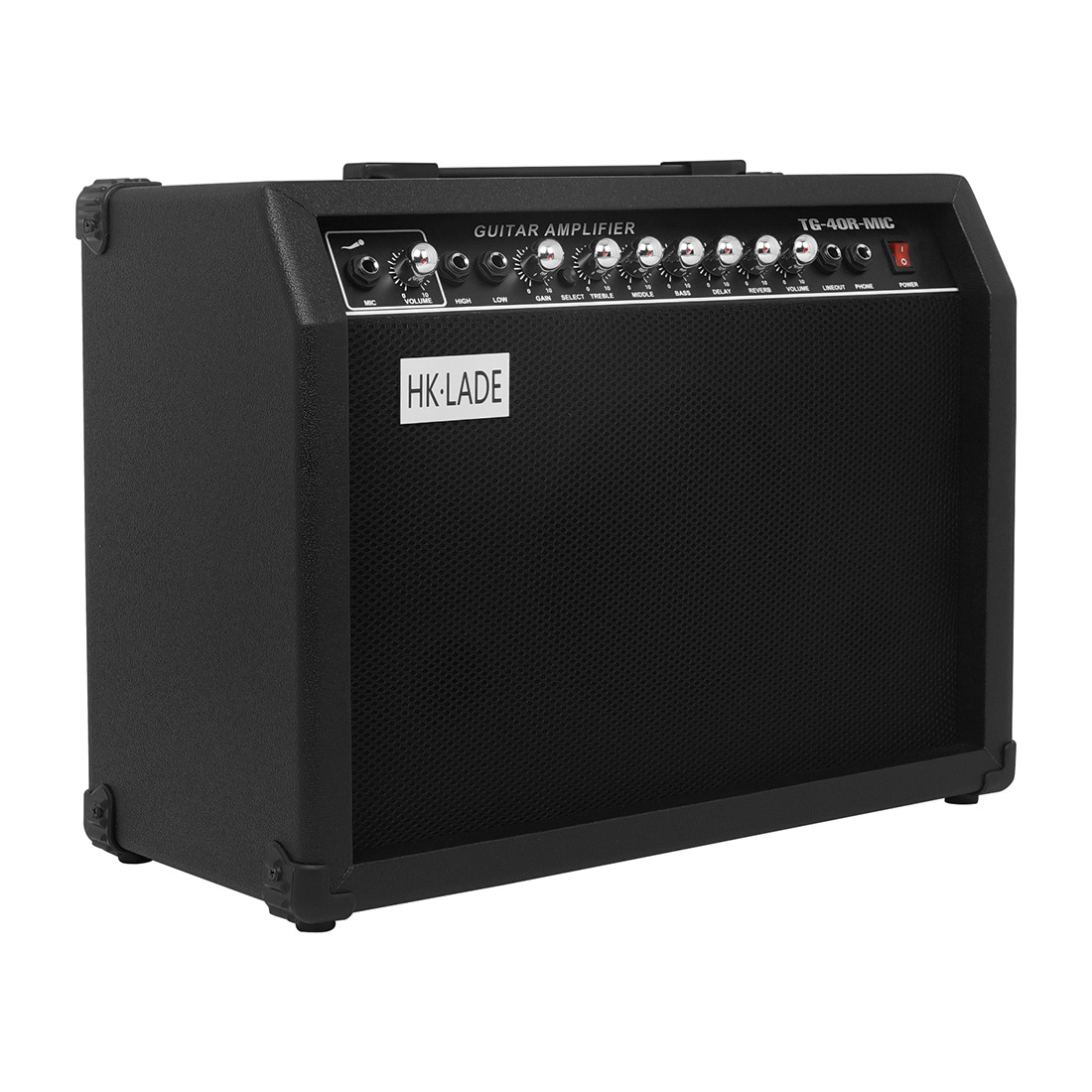
All active preamps, 3-way/5-way pickup selector switches, potentiometers, and portable 40W guitar amplifiers undergo continuous 48-hour electrical burn-in testing to catch latent component defects prior to final packing.
Environmental Drop & Transit Simulation
Packaged instruments undergo ISTA-compliant drop testing, vibration simulation, and environmental chamber cycling (testing resilience between -20°C and +50°C) to ensure containerized shipments arrive in pristine condition.
Our comprehensive product range spans far beyond standard electric mini guitars. Importers can consolidate multi-category container shipments by combining electric basses, acoustic folk guitars, classical guitars, solid wood ukuleles, 8-key to 17-key kalimbas, steel tongue drums, true-bypass mini effect pedals, and essential accessories (strings, celluloid picks, straps, capos, tuners, pickups, and padded gig bags).
Frequently Asked Questions for B2B Importers
Direct answers to common technical, logistics, and compliance queries from global buyers.
For standard stock models or low-customization sample runs, our MOQ starts as low as 1 piece for electric guitars, basses, and 40W amplifiers. For full OEM custom branding (custom headstock shapes, custom body paint colors, unique pickup configurations, and custom silk-screened logos), the standard production MOQ is typically 30 to 50 pieces per model variant. Ukuleles start at 2 pieces, and smaller accessories like picks or mini kalimbas start at 100 pieces.
Yes. As an SGS-verified manufacturer, Huizhou NFGF supplies official CE Declaration of Conformity certificates, RoHS material test reports for active electronics, and REACH SVHC compliance statements. These documents can be directly submitted to your customs broker or local trading standards authority upon cargo arrival.
Absolutely. Our in-house engineering team works with 3D CAD/CAM software. You can supply 2D vector files, 3D STEP models, or physical sample instruments. We can modify body contours, pickup routing (SSS, HSS, HSH, P90, humbucker), fretboard radiuses (from 9.5" to 14"), and hardware finishes (chrome, matte black, gold, cosmos black) to match your exact brand identity.
We control tonewood stability at the source. All raw lumber is seasoned and vacuum kiln-dried to an internal moisture content of 6% to 8%. Furthermore, our assembly workshops maintain constant climate control. Finished instruments are sealed in moisture-barrier PE bags with silica gel desiccants prior to master carton packing, preventing moisture absorption during ocean transport across tropical or humid maritime routes.
In-stock sample instruments ship within 3 to 5 business days. Custom OEM prototypes take approximately 15 to 25 days depending on the complexity of the finish and hardware specs. Mass production orders (container loads) are completed within 30 to 45 days after final sample approval and deposit confirmation.
Partner with an Audited, CE-Certified Guitar Manufacturer
Elevate your instrument catalog with SGS-verified quality, precision lutherie engineering, and competitive factory-direct OEM pricing from Huizhou NFGF Musical Instrument Co., Ltd.