CE Certified Kids & Junior Scale Guitars
Featured OEM/ODM Electric, Acoustic, and Musical Accessories Crafted for B2B Retailers, Brand Owners, and Global Wholesale Importers.

LP Style Electric Guitar High Gloss Cherry Sunburst Flame Maple Top Dual Humbucker Rosewood Fingerboard OEM ODM

GALYDA Electric Guitar with Wood Texture Finish HSH Pickup Single-Action Tremolo Bridge ST Electric Guitar
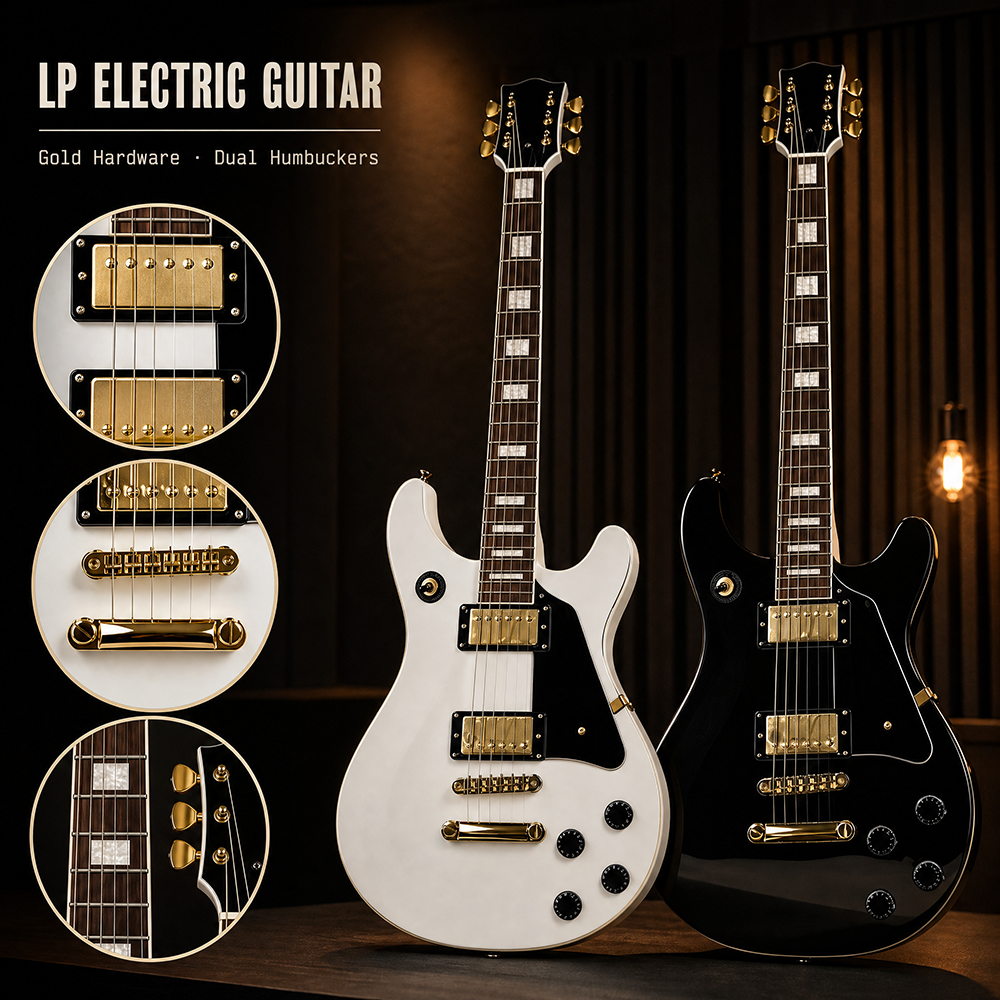
Factory Custom LP Electric Guitar Gloss Finish Solid Wood Electric Guitar OEM ODM
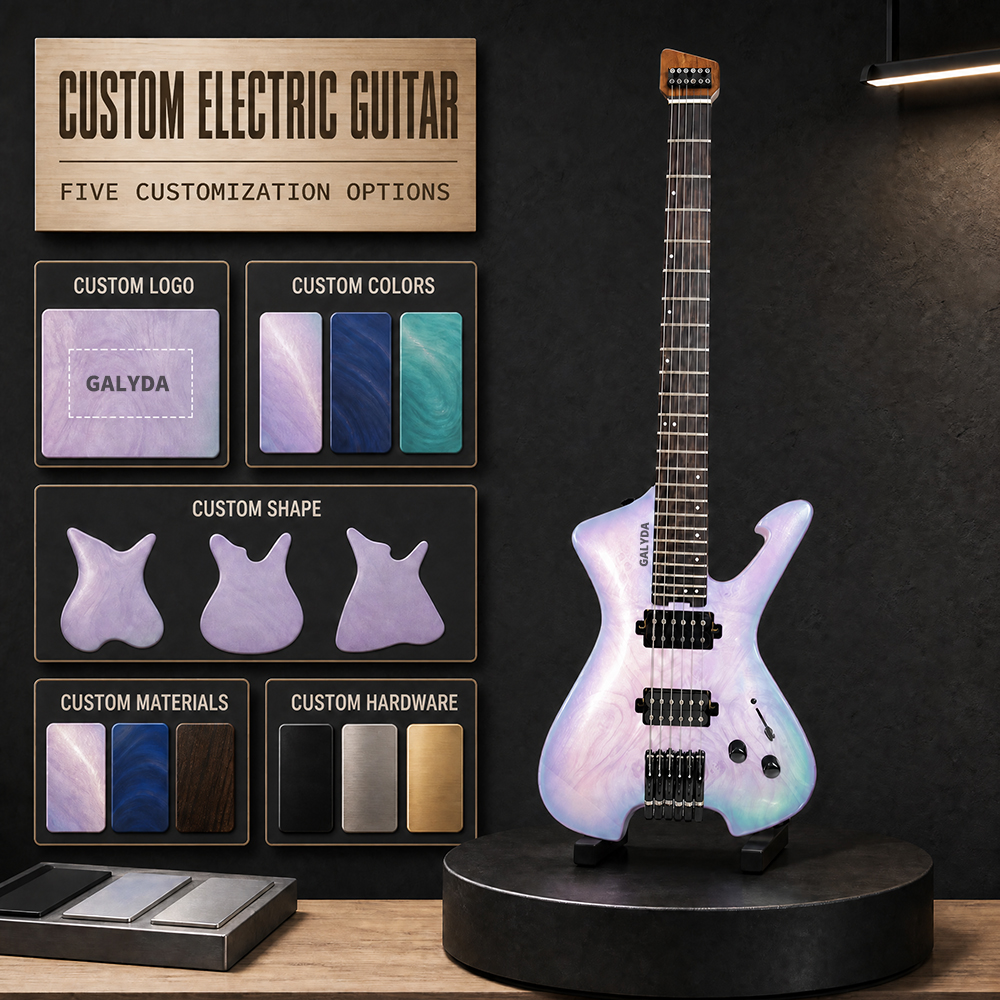
Factory Custom Headless 6 String Electric Guitar Carbonized Maple Neck Burl Veneer Top Mahogany Body
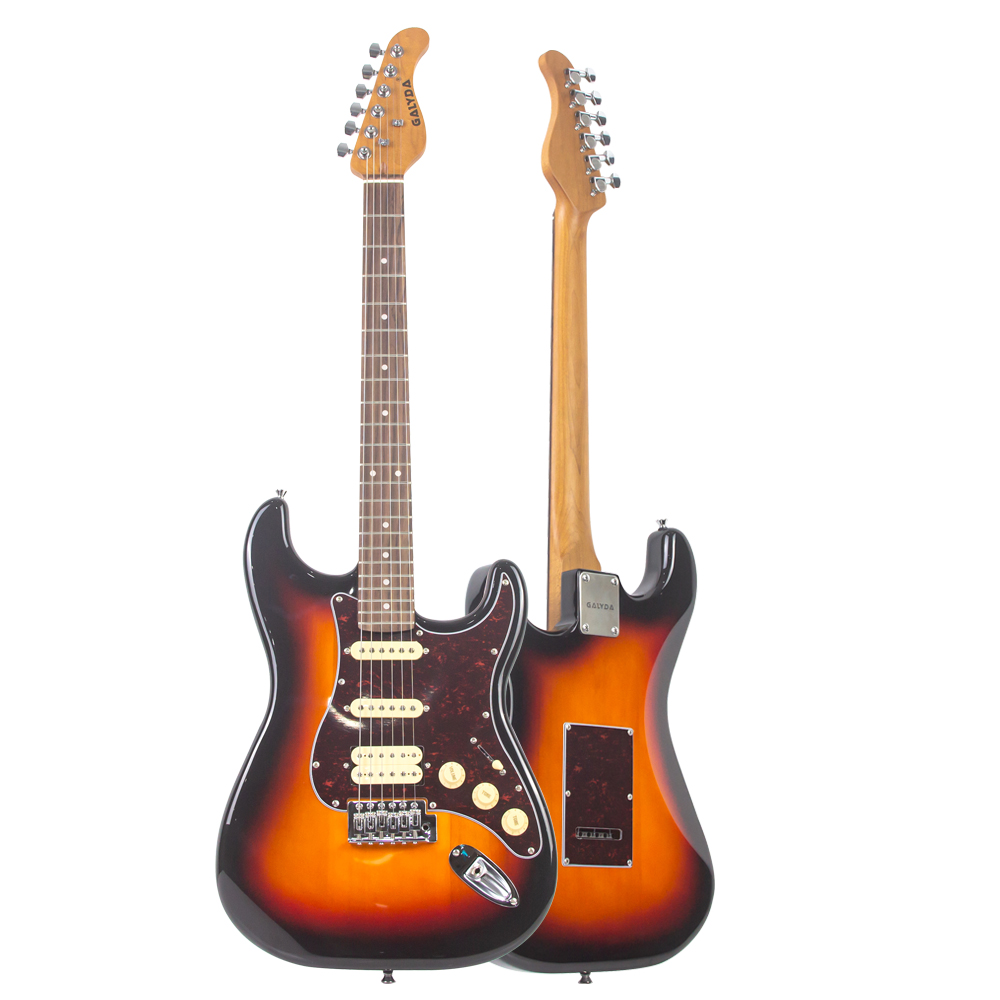
GALYDA 39-Inch Beginner Electric Guitar Set ST Series Poplar Body Carbonized Maple Neck Rosewood Fretboard S-S-H Pickups Glossy
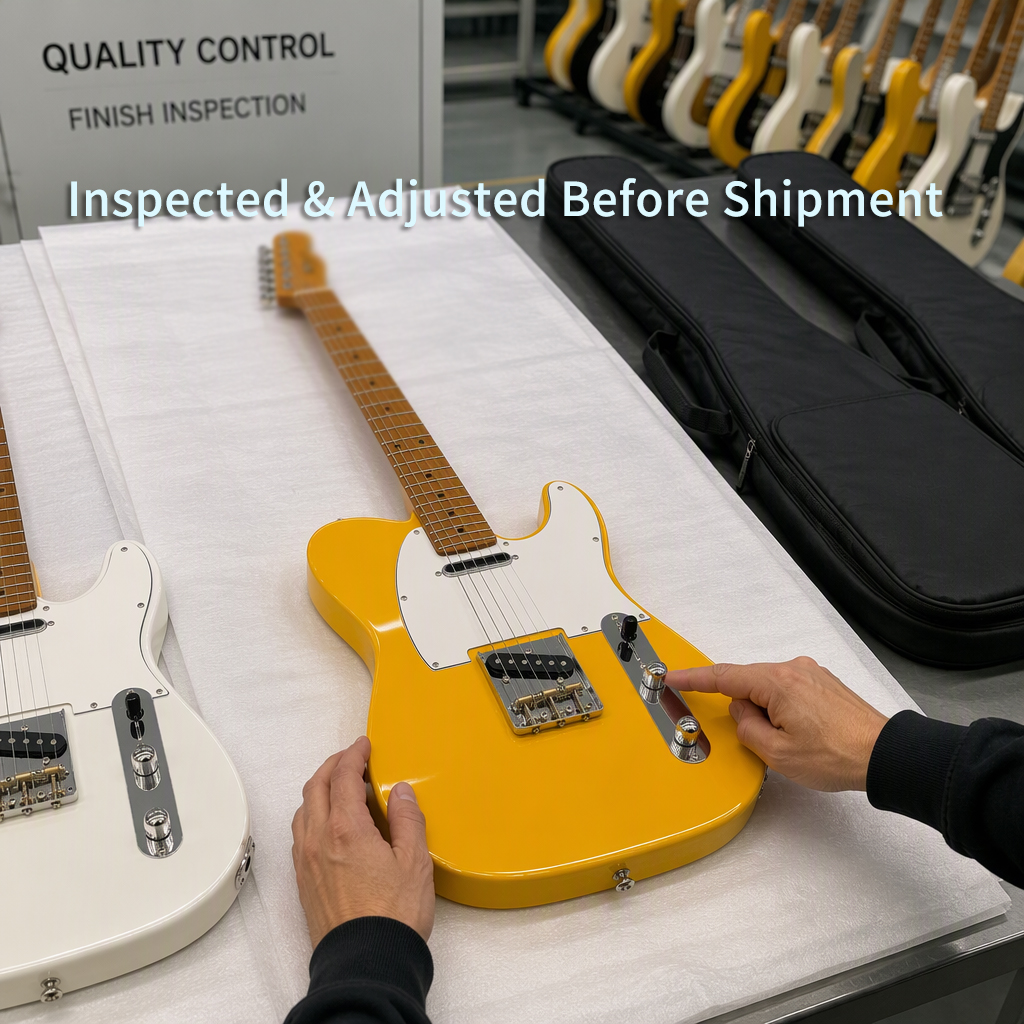
New-style TL Electric Guitar SS Alnico-5 Pickups 3-Way Switch Carbonized Maple Neck Okoume Body

Professional In-ear Monitor IEM HiFi Wired Earphones with Microphone Studio Monitor Musical Instrument Accessories
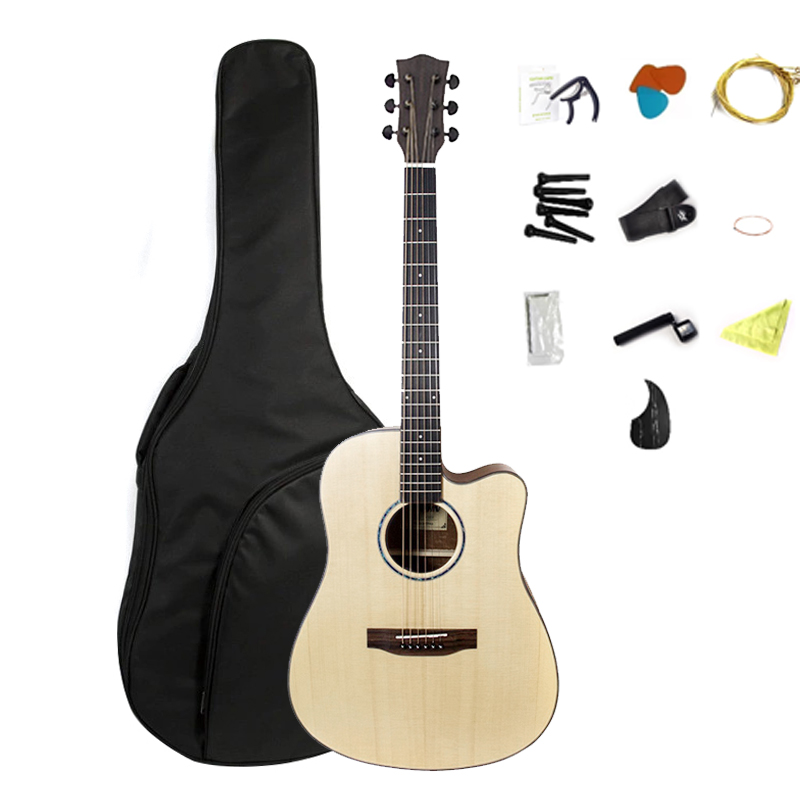
36/41 Inch Factory Direct Sales Folk Guitar Set for Beginners High-quality Acoustic Guitar for 10mm-th Bag Accessory
Regulatory Safety Framework for Exporting Kids Guitars
Navigating European and North American Compliance: Why CE Certification and Non-Toxic Chemical Integrity Are Non-Negotiable for B2B Procurement.
EN 71-1, 2, & 3 Physical & Chemical Safety
Kids guitars intended for students and youth aged 3 to 14 fall strictly under European Toy Safety Directives (2009/48/EC). CE Certification mandates strict physical compliance under EN 71-1 (sharp edge prevention, minimum radii on headstocks), EN 71-2 (flammability resistance of lacquers), and EN 71-3 (migration of 19 toxic heavy metals including lead, cadmium, and arsenic).
REACH & RoHS Phthalate Control
Non-metallic components such as binding, tuning peg tips, pickguards, and polyurethane body coats must satisfy REACH Annex XVII phthalates screening and RoHS directive limits. In high-humidity environments, sub-standard chemical lacquers off-gas volatile organic compounds (VOCs). Professional OEM suppliers utilize low-VOC, UV-cured or water-based polyurethane coatings.
Hypoallergenic Hardware Integrity
Youth players experience prolonged contact with nickel fret wire, bridge saddles, and strings. High-grade junior guitars replace raw brass or high-nickel alloys with double-coated nickel-silver or stainless steel frets treated with anti-corrosion passivating layers, drastically reducing skin irritation risk during daily practice sessions.
Engineering Short-Scale Guitars for Youth Players
Overcoming the Physics Deficit of Reduced Scale Lengths: Intonation, Action Calibration, and Tonewood Selection.
Scale Length & Tension Equilibrium
Reducing scale length from standard 25.5" (648mm) to junior 30" (762mm total instrument length) or 3/4 scale (22.5" / 572mm scale) lowers string tension by up to 35% under standard E tuning. To prevent floppy pitch wobble, the fretboard radius must be flattened to 9.5" or 12", coupled with customized string gauge sets (e.g., .010–.046 for electrics) to retain resonant sustain.
Double-Action Truss Rod Calibration
Junior guitar necks are thin and susceptible to humidity-induced back-bow or neck relief distortion. A dual-action steel truss rod housed in a carbonized maple or okoume neck provides full bidirectional compensation. This ensures structural neck stability and keeps action height at a comfortable 1.5mm to 1.8mm at the 12th fret without fret buzz.
Precision Fret Edge Micro-Beveling
Rough, protruding fret edges represent the single highest cause of consumer returns in beginner musical instruments. Professional manufacturing incorporates automated high-speed CNC fret crowning followed by hand-sanded 35-degree end beveling, providing a smooth, snag-free neck edge that protects young hands.
Technical Comparison: Certified OEM Kids Guitar vs. Sub-Standard Toy Instrument
| Quality Dimension | CE Certified OEM Guitar (NFGF Standard) | Low-Tier Toy / Novelty Instrument |
|---|---|---|
| Chemical & Finish Safety | Non-toxic UV/Water Polyurethane, EN71-3 Heavy Metal Certified | Uncertified Industrial Solvent Paint, High VOCs |
| Neck & Action Setup | Dual-Action Truss Rod, Adjustable Action (1.5mm @ 12th fret) | Glued Non-Adjustable Neck, High Action (>3.5mm) causing hand pain |
| Intonation & Hardware | Individual Adjustable Bridge Saddles, Enclosed Sealed Die-Cast Tuners | Fixed Plastic/Stamped Bridge, Friction Pegs with extreme tuning slippage |
| Fretwork Quality | 2.0mm Medium Nickel-Silver, 35° Hand-Beveled Edge Polishing | Stamped Metal/Plastic Frets with Sharp Edge Protrusions |
| Structural Tonewoods | Kiln-Dried Poplar, Basswood, Okoume, Carbonized Maple (<10% moisture) | Unseasoned Plywood / Recycled Plastic, high warping rate |
2025–2030 Procurement & Market Trends in Youth Guitars
Data-Driven Analysis for Music Distributors, E-Commerce Brand Owners, and Educational Procurement Directors.
1. Transition from "Toy" to "Real Junior Instrument"
Global search intent data reveals a massive drop in demand for non-tunable plastic toy guitars. Consumers and music educators demand authentic, full-function miniature electrics and ergonomics-focused acoustics. Brands sourcing short-scale instruments with full humbucking pickups, functional truss rods, and standard jack outputs are capturing over 68% of the beginner retail growth.
2. Drop-Test Certified Amazon / ISTA-3A Packaging
With cross-border e-commerce commanding a dominant market share, damaged goods returns destroy retail margins. Modern B2B procurement agreements now mandate ISTA-1A or ISTA-3A drop-test packaging, incorporating high-density 10mm EPE foam surrounds, reinforced corrugated double-wall outer cartons, and humidity-desiccant sachets inside gig bags.
3. Sustainable CITES-Free & Carbonized Wood
Customs enforcement on rosewood species (CITES Appendix II) has accelerated the adoption of thermal treatment technologies. Carbonized Maple (Roasted Maple) and high-density tech-wood fingerboards eliminate CITES paperwork bottlenecks while enhancing neck stiffness against environmental temperature fluctuations.
Why Top Brands Partner with NFGF Guitar Factory
Combining Advanced CNC Woodworking Automation with Decades of Traditional Luthier Craftsmanship in Huizhou, Guangdong.
Huizhou NFGF Musical Instrument Co., Ltd.
Located in Qiuchang, Huiyang District, Huizhou — China's premier musical instrument production hub — NFGF operates an SGS-verified 5,100 m² facility with 53 skilled luthier technicians. Established in 2014, we integrate R&D, precision manufacturing, electro-acoustic laboratory testing, and international export logistics under one unified quality system.
- SGS On-Site Audited & ISO Manufacturing Standards
- 100+ Design Patents & Original Intellectual Property
- Full Automated CNC Router & Multi-Stage Sanding Lines
- Dust-Free Automated Spray Booths & Gloss Polishing
- Strict Kiln-Drying Control (<8-10% Moisture Content)
- Flexible Low MOQ Sampling & Custom OEM/ODM Branding
Procurement & Technical FAQ for B2B Importers
Direct Answers to Compliance, Minimum Order Quantities, Custom Branding, and Quality Assurance Guidelines.
What safety certifications do NFGF kids guitars comply with? +
What is the Minimum Order Quantity (MOQ) for custom OEM guitar orders? +
How does NFGF control wood humidity to prevent neck warping after export? +
Can NFGF customize guitar body shapes, colors, and hardware configurations? +
What quality control inspections take place before shipment? +
How are instruments packaged to prevent damage during sea and air transit? +
Request Full Product Catalog & B2B Price List
Connect directly with our engineering sales team to receive OEM/ODM specifications, factory pricing, and compliance documentation.