Featured CE-Certified Guitars & Pro-Audio Line
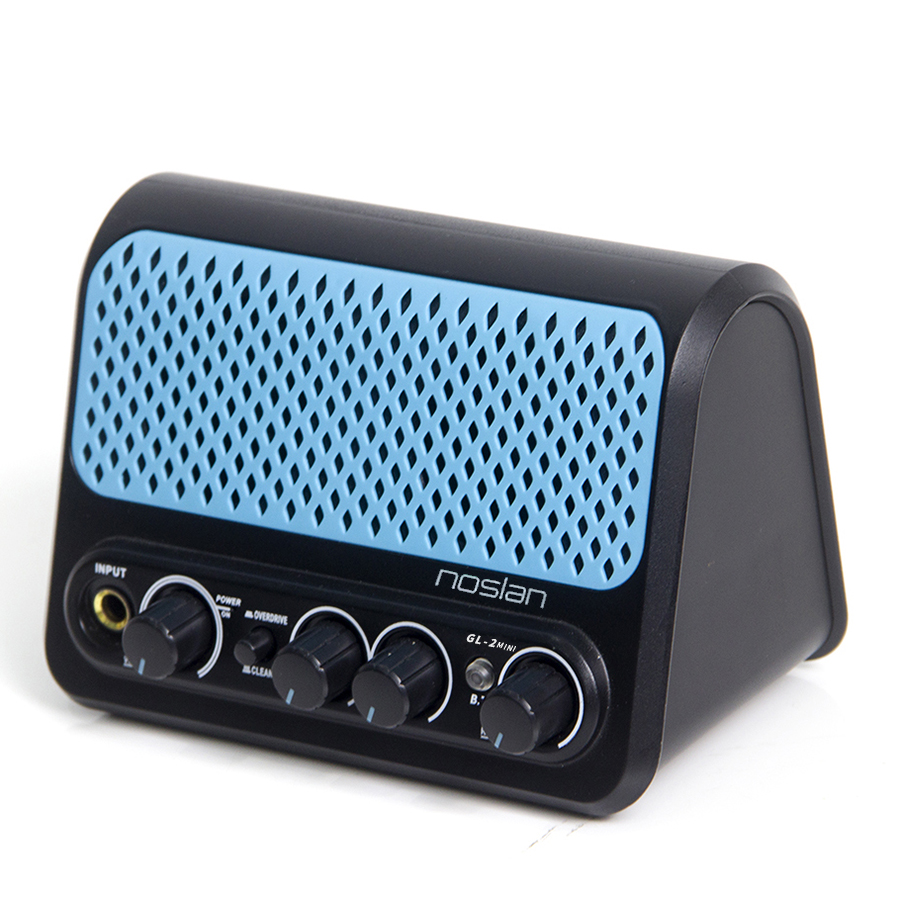
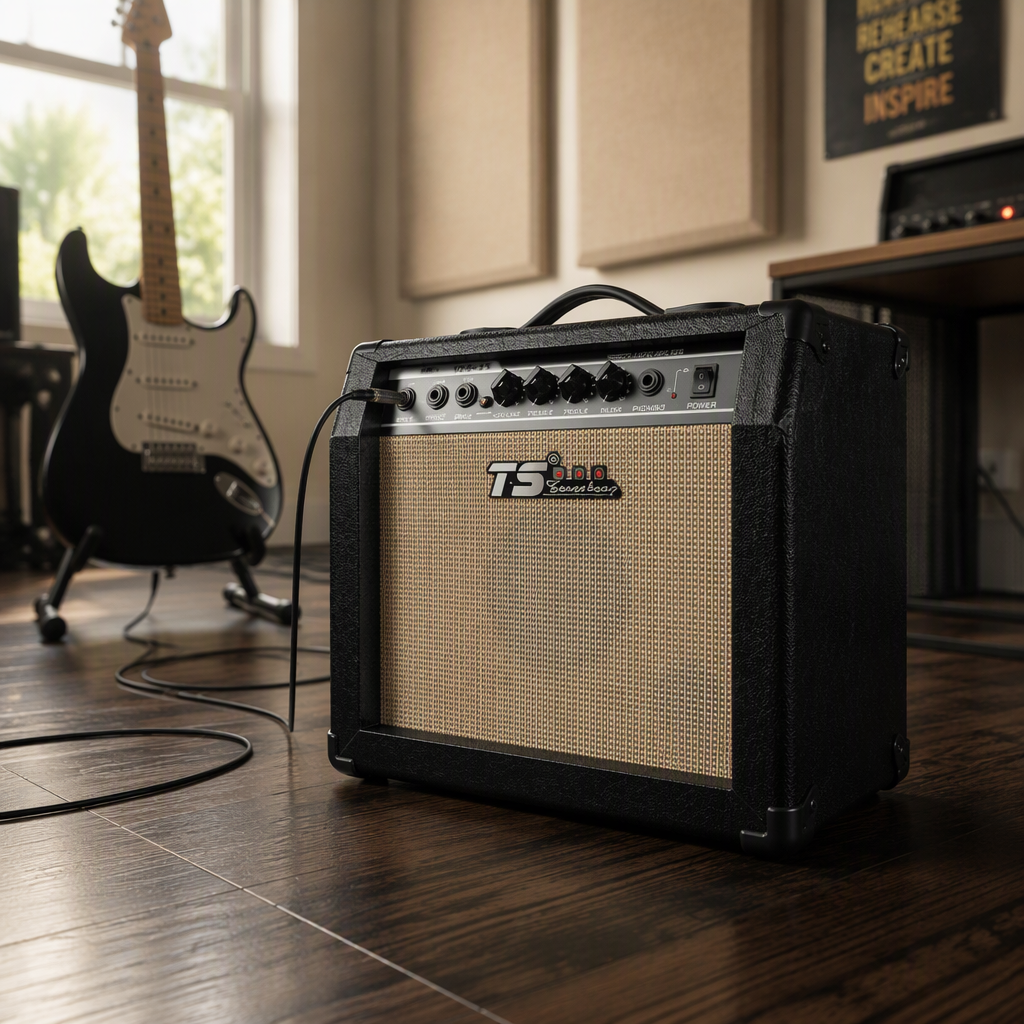
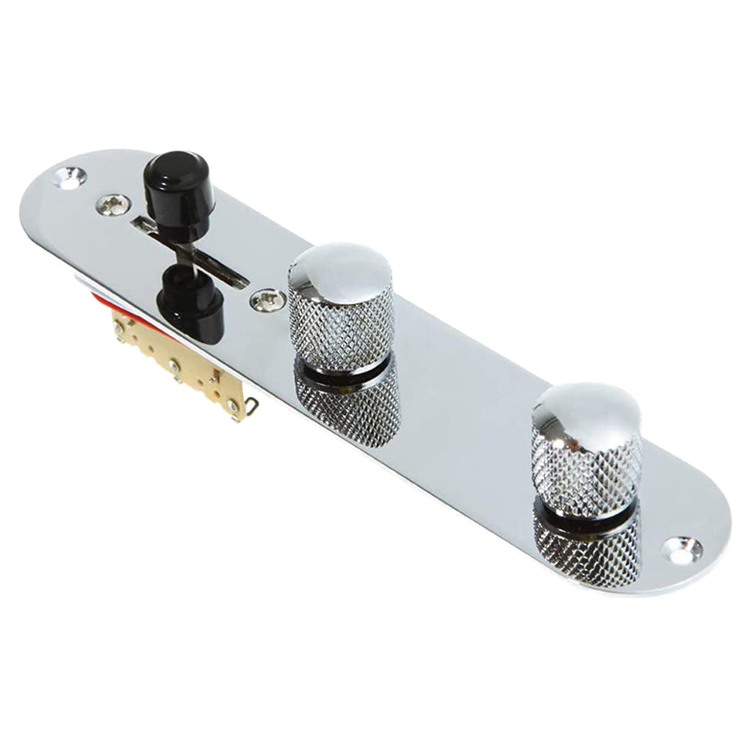
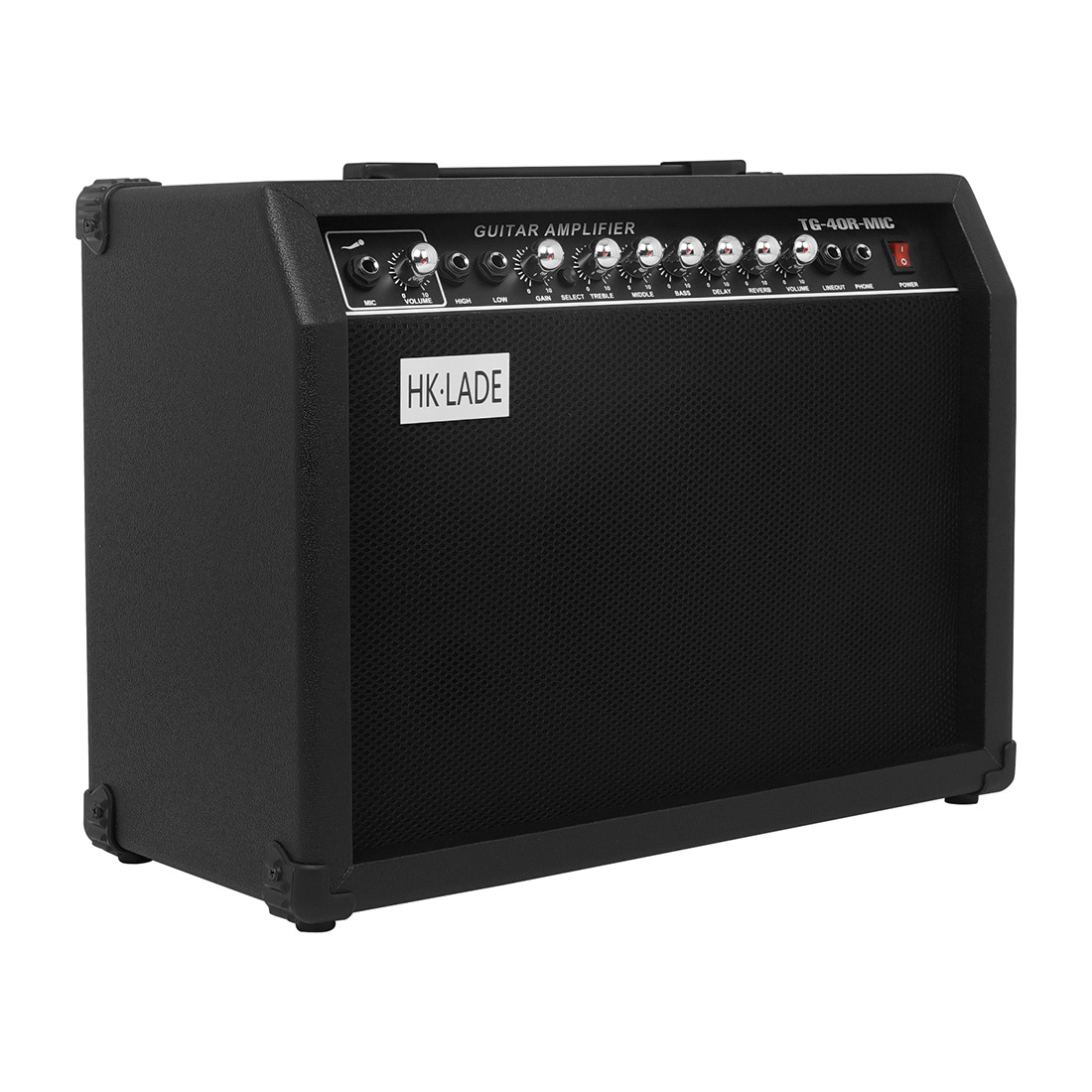
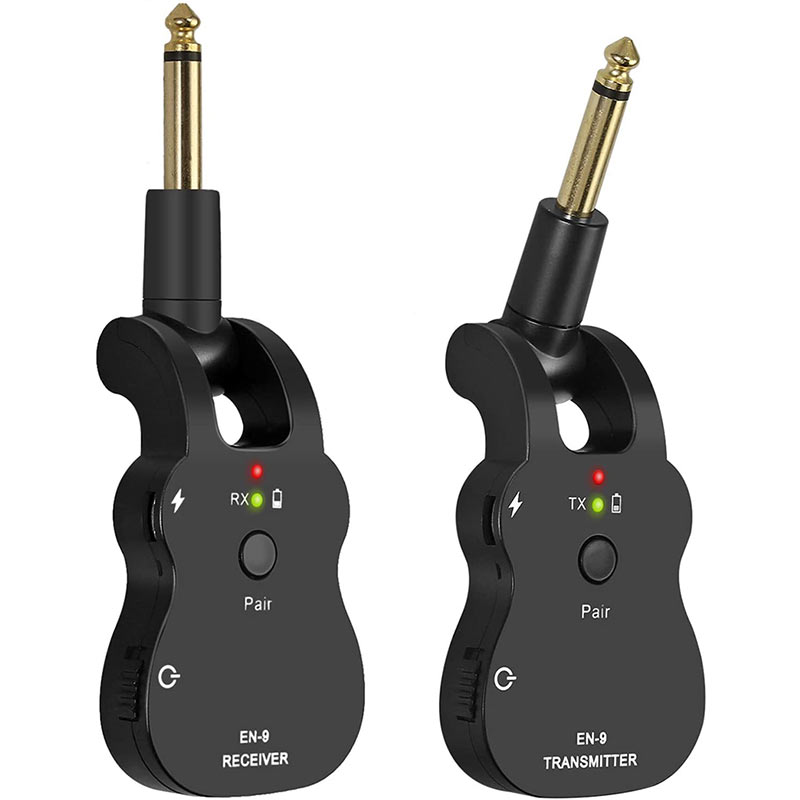
Explore our core product line manufactured under strict quality standards. Each product undergoes rigorous testing for acoustic resonance, electronics safety, and structural durability. Select any product to inspect specifications or request custom OEM branding.
Enterprise Capabilities & Infrastructure
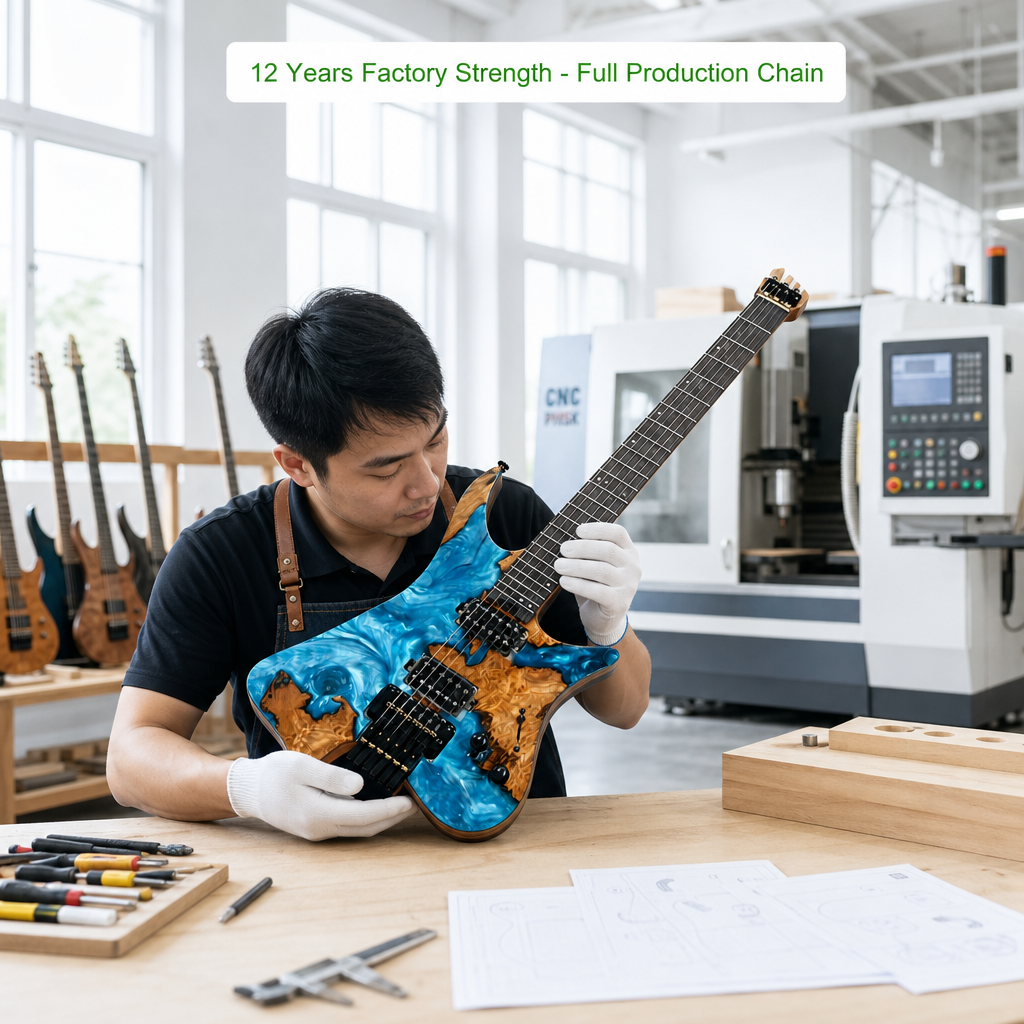
As an industry-leading OEM/ODM musical instrument enterprise based in Qiuchang, Huiyang District, Huizhou City—the premier instrument manufacturing hub of Guangdong, China—Huizhou NFGF Musical Instrument Co., Ltd. (est. 2014) operates an integrated ecosystem combining research and development, custom lutherie, CNC woodworking, automated finishing, and international logistics. Verified on-site by SGS Group, our 5,100 m² production center houses over 53 skilled luthiers, sound engineers, and quality assurance specialists.
CE & RoHS Compliance
Our electric guitars, active preamp pickups, digital wireless transmitters, and amplifiers are built to pass strict European Union CE and RoHS standards, ensuring safety, non-toxic finishes, and zero electromagnetic interference.
5,100 m² SGS-Verified Plant
On-site audited facilities with integrated kiln-drying chambers, high-precision multi-axis CNC routing equipment, dust-free paint booths, and computerized acoustic testing labs.
Master Hand Lutherie
While automated CNC machines guarantee fretboard and neck slot alignment down to 0.02mm, master luthiers perform crucial neck shaping, fret dressing, binding inlay, and acoustic voicing by hand.
Unlike standard trading houses that outsource timber sourcing, NFGF manages raw wood handling in-house. All tonewoods—including African Mahogany, Canadian Roasted Maple, Sitka Spruce, and Okoume—undergo controlled kiln drying and thermal stabilization to maintain a moisture content between 8% and 10%. This prevents neck warping, fret sprout, and body cracking under extreme temperature variations across European, North American, and Australian import markets.
Industry Whitepaper: Guitar Manufacturing & Technology Trends
The global stringed musical instrument market is undergoing a structural shift driven by modern acoustic engineering, stringent environmental regulations (such as CITES wood compliance), and changing consumer demographics. B2B buyers, distributors, and brand owners must adapt their procurement strategy to align with five major manufacturing trends defining the market through 2030.
1. Carbonized Tonewoods & Thermal Roasting (Torrefaction)
Thermal modification—commonly known as roasting or torrefaction—involves baking tonewoods in oxygen-deprived kilns at temperatures between 160°C and 220°C. This process breaks down hemicellulose within the cell walls, rendering the wood immune to humidity fluctuations while mimicking decades of natural acoustic aging. Roasted maple necks and carbonized mahogany bodies are no longer restricted to boutique custom shops; they have become a essential standard for mid-to-high-tier OEM electric and acoustic guitars.
2. Ergonomic & Headless Electric Guitar Architecture
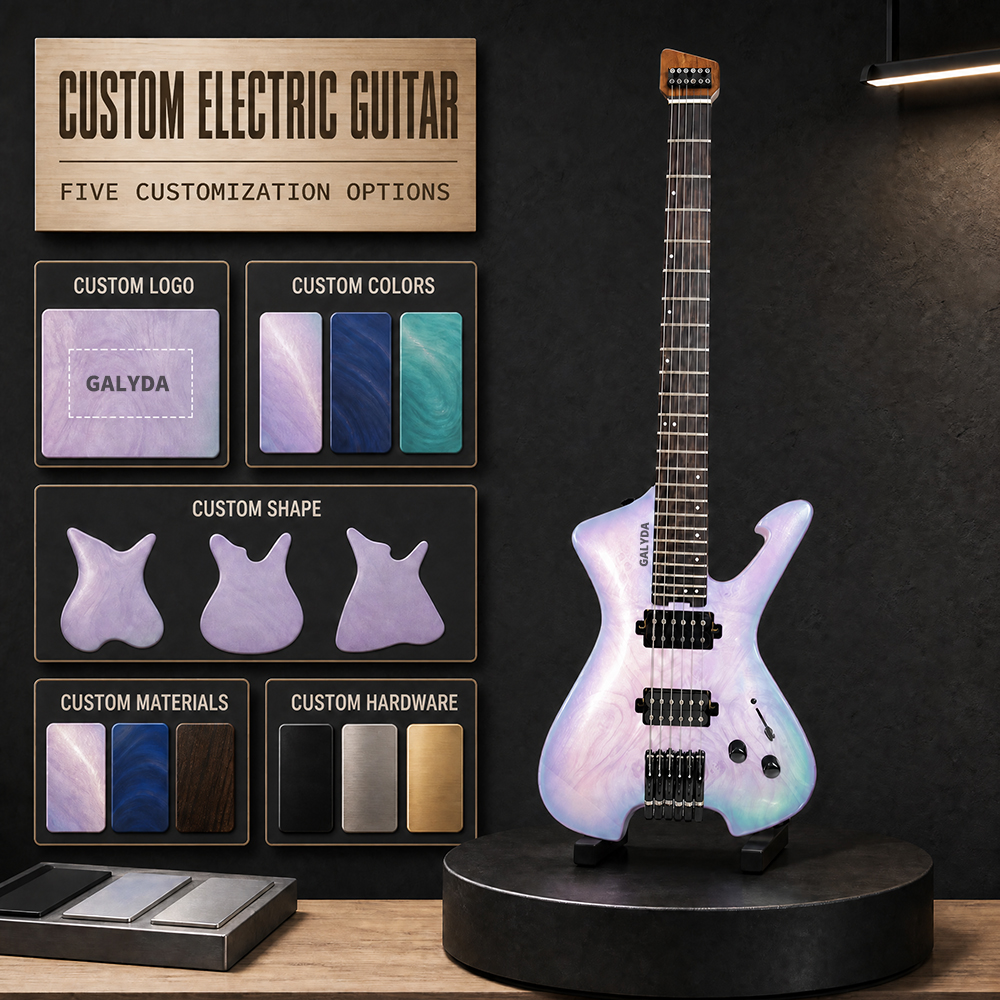
Headless guitars featuring carbon fiber neck reinforcement, fan-fret multiscale fretboards, and lightweight chambered bodies represent the fastest-growing segment in the electric instrument market. Removing the traditional peghead redistributes total instrument mass closer to the player's body, eliminating neck dive and reducing shoulder fatigue during long live performances or studio sessions. Furthermore, headless tuners installed at the bridge offer superior tuning stability compared to traditional headstock machine heads.
3. Eco-Friendly Polyurethane & Water-Based UV Finishes
With international environmental standards clamping down on volatile organic compounds (VOCs) and hazardous air pollutants, global instrument factories are shifting away from traditional nitrocellulose or solvent-dense paints. Ultra-violet (UV) cured thin-film polyurethane coatings allow for micro-thin finish coats (under 0.15mm) that protect the wood without damping body resonance or natural acoustic sustain.
4. Integrated On-Board Smart Digital Audio Systems
Modern players demand seamless connectivity. Modern acoustic-electric and solid-body electric guitars now frequently incorporate low-latency Bluetooth 5.3 modules, rechargeable lithium-ion battery packs, built-in digital signal processing (DSP) effect engines (offering reverb, delay, and overdrive directly through internal body transducers or headphone outputs), and digital wireless transmission systems operating on 2.4GHz / 5.8GHz frequency bands.
| Manufacturing Parameter | Legacy Industry Standard | NFGF Advanced CE-Certified Standard | Buyer Advantage |
|---|---|---|---|
| Wood Moisture Control | 12% - 15% (Air Dried) | 8% - 10% (Vacuum Kiln Treated) | Prevents neck warping & fret sprout worldwide |
| Fretboard Tolerance | ± 0.10 mm | ± 0.02 mm (CNC Milled + Hand Levelled) | Ultra-low string action without fret buzz |
| Finish Thickness | 0.25 mm - 0.40 mm Poly | < 0.15 mm High-Gloss UV Cured Coating | Enhanced acoustic resonance & scratch resistance |
| Electronics Testing | Random Sampling | 100% Signal-to-Noise & EMC Pre-Check | Zero defect rate on active circuitry & wireless gear |
| Certification Scope | Basic Material Test | Full CE, RoHS, FCC, and CITES Timber Passports | Hassle-free global customs clearance |
Future Procurement & Global Sourcing Trends
Procurement directors and musical instrument brand managers facing shifting tariffs, freight volatility, and rapidly evolving inventory turnover rates must re-evaluate their supply chain strategies. Based on global trade data and buyer behavioral analysis, three main purchasing models are emerging:
1. Low MOQ Hybrid Sourcing
Global brands are reducing upfront capital exposure by ordering smaller initial batch sizes across broader SKU variations. Our flexible minimum order quantities—starting from 1 piece on select custom electric guitars and 2 pieces on solid-wood ukuleles—allow retailers to test regional market demand before committing to full 40ft container production runs.
2. Complete Accessory Bundling
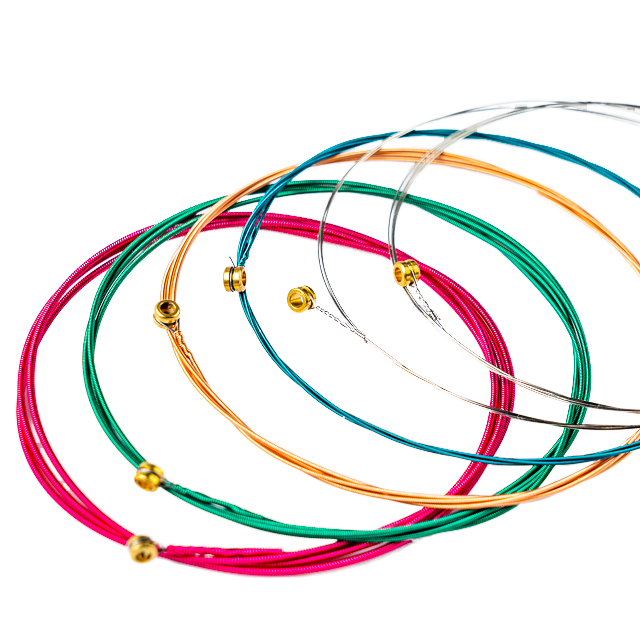
E-commerce retailers are increasingly sourcing turnkey instrument starter kits. By bundling a CE-certified custom electric guitar with a rechargeable 10W mini amplifier, digital wireless transmitter system, high-tensile steel strings, padded gig bag, and active clip-on tuner in a single custom-printed retail package, brands can significantly boost average order value (AOV).
3. Rigorous Regulatory Traceability
Customs authorities in Western markets strictly enforce compliance regarding heavy metals in lacquers (EN71-3), battery transport safety (UN38.3 / MSDS for rechargeable amps), and protected timber species. Working directly with a CE-certified, SGS-audited factory like NFGF eliminates regulatory hold-ups and shields importers from unexpected compliance penalties.
Custom OEM/ODM Engineering & Production Process
From initial concept artwork and 3D CAD modeling to final container loading, NFGF provides a transparent, standardized manufacturing workflow engineered to bring your custom instrument designs to market efficiently.
Step 1: CAD Blueprint & Spec Approval
Submit your vector artwork, headstock branding layout, pickups/electronics requirements, and wood grade specifications. Our R&D engineering team produces detailed 3D CAD construction drawings within 48 hours.
Step 2: Prototype Machining & Voicing
Once specs are approved, your sample instrument enters CNC body routing, hand neck contouring, custom spray painting, and pickup installation. Prototype lead time averages 10 to 15 working days.
Step 3: Mass Batch Production & QC
Following prototype approval, full batch production commences. Every instrument passes 4 mandatory inspection gates: raw timber moisture testing, post-sanding dimensional check, electronics burn-in, and final playability setup.
Ready to discuss your custom branding, pickup winding specs, or wholesale container pricing?
Instrument Procurement FAQ
Find clear answers to common technical, logistics, and quality assurance questions asked by international musical instrument buyers, importers, and brand owners.
Partner with China's Premier CE-Certified Instrument Factory
Whether you require small-batch sample production, custom logo electric guitars, headless carbonized models, or high-volume wholesale percussion and amplifiers, NFGF provides factory-direct prices with uncompromised quality.