0%

Choosing a Bass Guitar in 2026 is not just a question of brand prestige. It is about finding an instrument that feels dependable in your hands and suits your budget. A beginner may need a comfortable neck, stable tuning, and a reasonable setup. A working player may care more about quiet electronics, fretwork, and reliable hardware. Small details matter: a sharp fret edge or a noisy output jack can spoil a rehearsal.

Industry figures offer useful context, but they need careful reading. NAMM’s 2022 Global Report estimated the U.S. music-products industry’s economic impact at $17.3 billion in 2021. That figure covers a broad industry, not bass-guitar sales alone. It shows the scale of the market, but it cannot tell you which instrument is right for you. Feel counts. Jaco Pastorius famously introduced himself with, “My name is Jaco Pastorius, and I am the greatest bass player in the world.” The confidence is memorable; it is not a buying guide. This roundup compares established brands across entry-level, midrange, and premium budgets, focusing on playability, construction, sound, and value. Prices and availability can shift, and even a respected model may need a professional setup. That is easy to overlook. Use the comparisons as a shortlist, then try the instrument when possible. Your hands may disagree with the spec sheet.
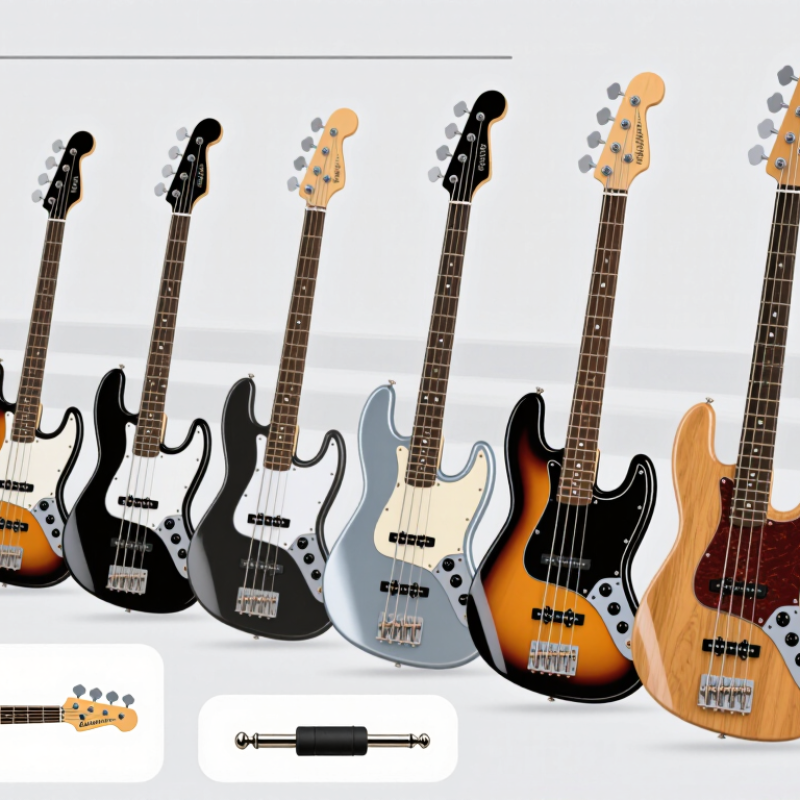
2026 Best Bass Guitar Brands for Every Budget?

Set 2026 Bass Budget Tiers by Street Price, Warranty, and Build Quality

For 2026, compare basses by street price—the amount you can actually pay—not the suggested list price. Under $300, expect simpler finishes and fewer extras; check that the neck sits comfortably and the tuning machines turn smoothly. Entry-level does not have to mean hard to play. It does mean checking the setup carefully.

From $300 to $800, you may find more consistent fretwork, steadier hardware, and better quality control. Run a finger lightly along the fret ends; sharp edges can be uncomfortable. Test every note up the neck for buzzing, and inspect the bridge and control knobs for looseness.

Above $800, refined materials and finish details may improve, but a higher price alone does not guarantee a better instrument. I would not pretend every upgrade matters to every player.

Warranty coverage belongs in the budget, too. Read the written terms for coverage length, eligible repairs, and whether proof of purchase is required. Conditions can vary by seller and country, so confirm them before paying. Keep a little money aside for a professional setup; even a well-built bass may need adjustment after shipping. Prices change. Check current local listings, then compare the instrument in your hands.

Compare Entry-Level Brands Using 34-Inch Scale and 4-String Tuning Specs

Compare entry-level basses by measurable specifications, not price labels alone. A 34-inch scale equals 863.6 mm, the familiar long-scale benchmark. It affects string tension and reach, though setup and hand size also shape the feel. Small details matter.

ISO 16:1975 sets concert pitch at A4 = 440 Hz. In equal temperament, standard four-string E1–A1–D2–G2 tuning is approximately 41.20, 55.00, 73.42, and 98.00 Hz. Use a chromatic tuner, then compare each open string with its 12th-fret note. Matching pitch alone cannot reveal high action or poor intonation.

Read technical specification sheets carefully. Confirm the stated scale, four-string layout, adjustable bridge, and included string setup. NAMM’s 2024 Global Report provides music-products market context, but sales data cannot measure fretwork or tuning stability. Treat it as context, not a quality score. Two basses with identical specs may feel surprisingly different. Try each seated and standing; pluck near both the bridge and neck. A first impression can mislead, especially before a proper setup.

Assess Midrange Brands by Pickup Layout, Hardware, and Setup Stability

Midrange basses often look similar on a store wall, but their pickup layouts can shape both tone and playing feel. A split-coil pickup usually offers a focused, familiar sound with useful resistance to hum. A pair of single-coil pickups gives more tonal range, though some settings may pick up electrical noise. One large humbucking pickup can deliver a strong, rounded signal, but may offer fewer distinct colors. Listen through a clean amplifier at low volume, then turn up gently. Small details matter. Check whether the tone stays clear when you roll back the volume or blend controls.

Hardware deserves a close look, not just a quick glance. Turn each tuning key and notice uneven resistance, rattling, or a loose feel. Inspect the bridge saddles for sharp edges and enough adjustment range to set string height and intonation. A solid bridge is helpful, but it cannot compensate for poor setup. Press each string near the first and last frets; excessive buzz, stiff action, or widely uneven fret ends may signal extra work. Setup stability matters more than a perfect showroom feel: after tuning, play bends, open strings, and notes high on the neck, then check tuning again. Not always. Wood can shift with temperature and humidity, so one test is not proof. Still, a bass that holds tuning and feels consistent is often a smarter midrange choice than a longer feature list.

Compare Premium Brands by 30–34-Inch Scale Options and Electronics

A 30-inch scale can feel notably relaxed under the left hand, especially on lower frets, while a 34-inch scale usually gives the strings firmer tension. Between them, 32- and 33-inch options can balance reach and response. These are tendencies, not guarantees: string gauge, tuning, and setup also change the feel. Try the same notes on each scale before judging.

For premium instruments, compare electronics by what they let you control. Passive circuits often offer a direct volume-and-tone layout; active systems may add a preamp and separate frequency controls. Listen for usable changes, not the number of knobs. A clean low note should stay defined, and a bright setting should not turn harsh. Small detail, big difference.

The 2024 NAMM Global Report estimated U.S. music-products retail sales at $17.1 billion in 2022, reflecting a broad, active instrument market. It does not rank bass specifications, so treat it as market context, not proof that one scale or circuit is better. I would not buy by spec sheet alone. A 34-inch neck can feel long after a full set, while a shorter scale may need careful string choice to keep low notes steady. That nuance is easy to miss.

Match Brands to 4- or 5-String Tuning: E–A–D–G or B–E–A–D–G

A bass’s tuning should guide your choice more than its price tag. Four-string basses usually use E–A–D–G, from the thickest string to the thinnest. This familiar setup suits many lessons, charts, and beginner method books. At a lower budget, check that the neck feels comfortable and the frets do not buzz. Small details matter. A modest instrument with a stable setup can be easier to learn on than a costly bass that feels awkward.

Five-string basses typically add a low B below E, giving you deeper notes without changing hand positions as often. That extra string needs room: inspect the nut, bridge spacing, and neck profile before buying. In a shop, play a low B and listen for clear notes, not just vibration. A poor setup can make the string sound muddy. I would not choose five strings merely to seem more advanced; extra range helps only when the music calls for it.

Tips: Bring a tuner and play both open strings and fretted notes. Compare the bass while standing, too. Notice the string spacing and how easily your hand reaches the low notes. If setup costs are possible, include them in your budget. Your first choice may not be perfect. A careful test helps.

FAQS

What should I expect from a bass under $300?

Expect simpler finishes and fewer extras. Check neck comfort and smooth-turning tuning machines. A careful setup still matters.

What changes in the $300–$800 range?

Fretwork and hardware may be more consistent. Feel for sharp fret ends, test notes along the neck, and check loose controls.

Does a higher price guarantee a better bass?

No. More refined materials may help, but some upgrades may not matter to you. I might still be tempted by the finish.

What warranty details should I check?

Confirm the coverage period, eligible repairs, and proof-of-purchase requirements. Terms can vary by seller and country.

Why set aside money for a professional setup?

Shipping can affect adjustment, even on a well-built instrument. A setup can help it play comfortably.

How do 30-inch and 34-inch scales feel different?

A 30-inch scale often feels more relaxed under the fretting hand. A 34-inch scale usually gives strings firmer tension. Try both.

What should I know about 32-inch and 33-inch scales?

They can balance reach and response. String gauge, tuning, and setup also affect how a bass feels. Small detail, big difference.

How should I compare passive and active electronics?

Passive circuits often provide volume and tone controls. Active systems may add a preamp and frequency controls. Listen for clear low notes and a bright sound that stays smooth. More knobs do not always help.

Is market-size data proof that one bass specification is better?

No. Retail sales figures describe the broader instrument market, not which scale or circuit performs best. Compare the bass in your hands. Prices change.

Conclusion

Choosing the right Bass Guitar in 2026 starts with more than the sticker price. Compare street prices alongside warranty coverage and build quality, then decide which features matter most for your budget. Entry-level instruments commonly focus on a 34-inch scale and standard four-string E–A–D–G tuning, making them a practical starting point for many players. Check that the instrument feels comfortable, stays in tune, and can be set up reliably.

In the midrange, compare pickup layouts, hardware durability, and how consistently the bass holds its setup. Premium options may offer a wider choice of scale lengths, from 30 to 34 inches, as well as more versatile electronics. Your string count should match your musical needs: four strings use E–A–D–G, while five strings typically add a low B for B–E–A–D–G. Weigh comfort, sound, construction, and long-term value together to find an instrument that suits both your playing style and budget.

Amelia

Amelia

Amelia is a professional marketing specialist who combines a strong understanding of the company’s products with a clear, customer-focused approach to communication. She regularly contributes expert articles to the company website, helping readers understand product features, practical......